Choosing a garage door opener appears straightforward up until you stand in the aisle, compare two nearly similar boxes, and recognize one decision affects sound, maintenance, expense, and everyday comfort for years. Most home owners end up considering two familiar options: belt drive and chain drive. Both can raise a garage door dependably. Both are common. Both can be the ideal selection. The difference remains in just how they act as soon as they are mounted and asked to perform day after day.
I have actually seen individuals concentrate excessive on horse power and not enough on how the opener in fact fits the home. A household with bed rooms over the garage notices sound quickly. A detached workshop owner typically cares more about tough worth than hush. A property manager with numerous units commonly desires the most convenient solution course and the lowest long-term annoyance element. There is no global winner. There is just the opener that matches the door, the building, and the means the space is used.
If you are comparing alternatives prior to a garage door installation, changing a noisy operator, or ironing out a repeating Garage door repair problem, it aids to recognize what changes when the drive system modifications. That is where the real decision lives.
The fundamental difference, minus the sales pitch
A chain drive garage door opener utilizes a metal chain, similar in principle to a bicycle chain, to relocate the trolley that opens up and closes the door. A belt drive opener makes use of a strengthened belt, normally made from rubber, polyurethane, or another resilient synthetic product, often with steel or fiberglass cables inside for strength.
The motor and rail system can look similar from a range. The door still takes a trip backwards and forwards on course. The opener still places to the ceiling and connects to the door arm. But the feeling is various. A chain drive has more mechanical audio and resonance. A belt drive runs smoother and quieter. That distinction is not marketing fluff. It is noticeable in the field, particularly in attached garages.
People usually ask whether belt drives are in some way weak because they utilize a belt as opposed to steel. Years ago, that problem had extra weight. Modern belts are far more resilient than lots of property owners expect. On an effectively balanced residential door, a top quality belt drive opener is more than qualified. The opener is leading movement, not brute-forcing a difficult lots. If a garage door really feels exceedingly hefty, the problem commonly exists in other places, occasionally in worn hardware or a demand for Garage door spring substitute, not in the drive kind itself.
Why the door matters as long as the opener
A common error is dealing with the opener like the major source of raising power. In a healthy and balanced system, the springtimes do a lot of the hefty work. The opener manages the movement. That is why a misdiagnosed opener trouble can develop into repeated callbacks. If the door runs out equilibrium, also a costly new driver will struggle.
I have actually seen home owners replace an opener due to the fact that the old device seemed strained, slow-moving, or inconsistent. After installment, the new one behaved only a little better because the actual issue was springtime exhaustion. When the springs no more offset the weight properly, every component works harder. That can cause more sound, premature gear wear, jerky traveling, and safety concerns. It also alters the belt drive versus chain drive discussion, due to the fact that a stretched door makes a chain opener noise harsher and might shorten the life of any kind of operator.
Before comparing attributes, see to it the door itself remains in good condition. Tracks ought to be lined up, rollers must roll rather than grind, hinges ought to not hang, and the springs need to be properly sized and operating. Whether you are planning a new garage door opener or scheduling property garage door repair, this step matters.
Where belt drive openers stand out
The strongest case for belt drive is convenience. If your garage is connected to your home, specifically under a bed room, baby room, office, or living area, quieter procedure transforms the day-to-day experience greater than lots of people expect.
With a belt drive, the start-up is softer, the traveling sound is lower, and the vibration transferred via framework is decreased. That last factor gets ignored. Some homeowners think they only listen to the opener itself, however much of the annoyance originates from vibration resembling with joists, drywall, and adjacent rooms. A smoother drive lowers that effect.
Belt drive systems additionally often tend to feel more polished overall. The door movement can be much less rattly, especially when paired with top quality nylon rollers and a well-tuned track system. That matters to home owners that use the garage as a front door alternative and cycle it a number of times a day.
These are the situations where belt drive typically gains its greater rate:
The garage is attached to the house and sound matters. There is living room directly over or close to the garage. The door is used regularly, typically several times per day. You desire lower routine upkeep and much less chain-related adjustment. You value smoother operation greater than the most affordable upfront cost.That does not indicate belt drives are maintenance-free. Nothing on a garage door system is. But they normally require less hassle than chain systems when it involves tension-related sound and lubrication routines. For many homes, that implies less small inconveniences over time.
Where chain drive still makes sense
Chain drive openers have stayed popular for good reasons. They are commonly a lot more affordable, extensively available, acquainted to service technicians, and proven over years of solution. In separated garages, barns, workshops, and energy rooms where sound is not a significant worry, chain drive can be the practical pick.
There is likewise a durability variable that attract several purchasers. Whether completely justified or partly psychological, people trust fund steel. A chain system looks strong, and in residential garage door repair rough-use setups that matters. If you have a basic steel sectional door on a detached garage and you generally desire reliable function at a reasonable expense, a chain drive is difficult to dismiss.
In solution job, I commonly see chain drive operators in older homes where owners are less interested in costs attributes and even more interested in maintaining the door functioning without spending additional for hush. If the garage is divided from the space, that reasoning is sound. The driver might be noisier, yet the sound does not impact anybody attempting to sleep or work.
Chain drives can also be a comfy option for customers who like simple service. Several professionals have worked with them extensively, replacement components prevail, and their operating behavior knows. That can matter in markets where property owners desire basic, trustworthy tools instead of a more feature-rich unit.
Noise is not just noise
When people claim they desire a silent opener, they sometimes suggest different points. One home owner hates the metallic rattle at startup. One more is bothered by the hum that resonates with the ceiling. Another notices only the last beat when the door seats at the floor. Belt and chain drives influence every one of those audios, yet not equally.
A chain drive commonly generates more mechanical babble along the rail. If the chain stress is off, that noise worsens. Include dry rollers or a slightly loose track brace and the entire system begins to appear busier than it should. A belt drive eliminates much of that chatter, so the staying sounds come from the door equipment itself. That is why a belt drive can still be louder than anticipated if the remainder of the door is neglected.
This issues throughout Garage door repair calls. House owners in some cases request a quieter opener when what they really need is a tune-up, roller substitute, or spring change. The opener kind changes the character of the audio, yet it can not mask underlying wear forever.
Strength, weight, and the myth of the "extra powerful" chain
The concept that chain drive equals stamina and belt drive equals comfort is just partly real. The far better means to think of it is suitability. A durable belt drive opener can deal with a common double door with no trouble if the springs are appropriate and the door is balanced. The opener is not expected to deadlift the complete door weight every cycle.
For larger custom wood doors, extra-large insulated doors, carriage-style doors, or doors with high-cycle needs, the discussion must broaden beyond chain versus belt. You may require to consider the opener's motor style, rail top quality, start-stop control, and real lifting capacity. Sometimes, a jackshaft operator or a commercial-grade system is the far better fit.
That is particularly real in industrial garage door repair contexts. A storage facility bay door, filling station door, or regularly cycled multi-tenant gain access to factor has needs that vary sharply from a country two-car garage. In those setups, everyday cycle matter, downtime expense, and solution accessibility may surpass straightforward sound considerations. Chain drive remains common in industrial applications for a reason, yet the right operator is a lot more concerning duty rating than simply drive style.
Cost now versus expense later
Upfront, belt drive openers typically set you back more than equivalent chain drive designs. The precise difference depends upon brand, electric motor type, rail size, connection features, battery backup, lighting, and local labor rates. In many markets, the equipment difference alone is visible however not severe. It is hardly ever the type of space that must drive the entire choice unless the spending plan is extremely tight.
The more vital concern is what type of value you respect. If spending a little bit more obtains you years of quieter operation in an area beside your kid's bedroom, that costs often really feels justified swiftly. If the garage sits fifty feet from the house, the costs might purchase little meaningful benefit.
There is additionally a maintenance angle. Chain drive units can offer for several years, however they might need extra regular attention to keep sound and slack controlled. That is not a significant concern, yet it is part of the formula. Belt drives are often cleaner and calmer in normal usage. With time, numerous property owners appreciate that distinction greater than they expected.
Installation high quality modifications everything
A sub-par installment can make either opener unsatisfactory. An excellent installer checks door balance, rail positioning, header assistance, travel setups, force settings, security turnaround, and the connection in between opener and door. They additionally focus on vibration factors, hanging bands, and how the unit rests relative to the ceiling framing.
I have actually listened to new openers criticized for troubles brought on by poor installing. If the assistance equipment is flimsy or the rail is somewhat misaligned, sound rises. If travel limitations are set badly, the door knocks or turns around. If the opener is attached to a door with used hinges or weary rollers, the system never ever sounds best. That is why garage door setup and opener replacement need to be approached as system job, not box-swapping.
This is also where professional judgment issues. A technician that notifications fractured hinges, stretched springtimes, or a torn cable ought to say so. Replacing only the opener might not suffice. Often a bigger solution check out makes even more feeling, consisting of Garage door spring substitute or various other restorative work before the new driver is put under load.
Smart attributes are nice, yet they are not the main decision
Many modern garage door opener designs, whether belt or chain, included Wi-Fi connection, mobile phone control, battery back-up, LED lights, and soft-start electric motors. These attributes can be valuable. Remote tracking aids if you take a trip typically or have relative coming and going on staggered timetables. Battery backup is useful in outage-prone areas. Motion-sensing lights can make a dark garage safer.
Still, these features should not distract from the drive selection that matches the space. I have actually fulfilled house owners who purchased a feature-packed chain drive for an affixed garage and regretted the noise within a week. I have additionally fulfilled individuals that spent for a costs belt drive in a separated shed and never saw the difference since the structure was as well far for sound to matter.
Start with the environment, after that layer on features.
Maintenance assumptions for both types
No opener ought to be dealt with as a set-it-and-forget-it maker. The good news is that fundamental care is not made complex. What matters is uniformity and knowing which signs and symptoms require a professional.
Watch for these indication before they develop into a bigger repair service:
The door starts moving erratically or hesitates partway. New grinding, rattling, or slapping noises appear. The opener stress, hums, or turns around unexpectedly. The chain looks loose, or the belt shows wear or fraying. The door feels unusually heavy during hands-on operation.The manual procedure check is especially revealing. With the opener disengaged, an effectively balanced door needs to raise with modest effort and hug mid-travel instead of crashing down or shooting up. If it does not, ask for service. That is usually where household garage door repair protects against larger failure.
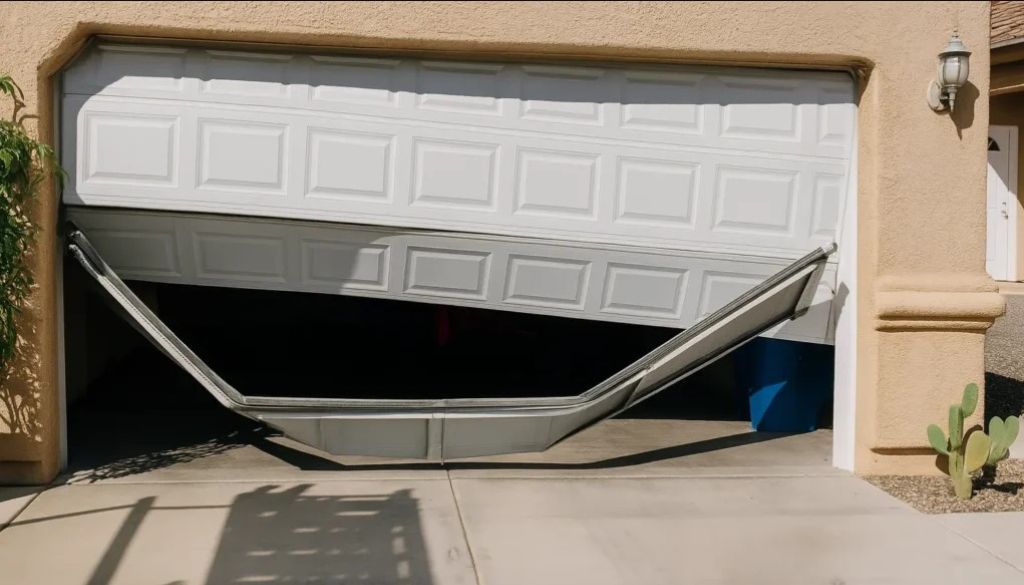
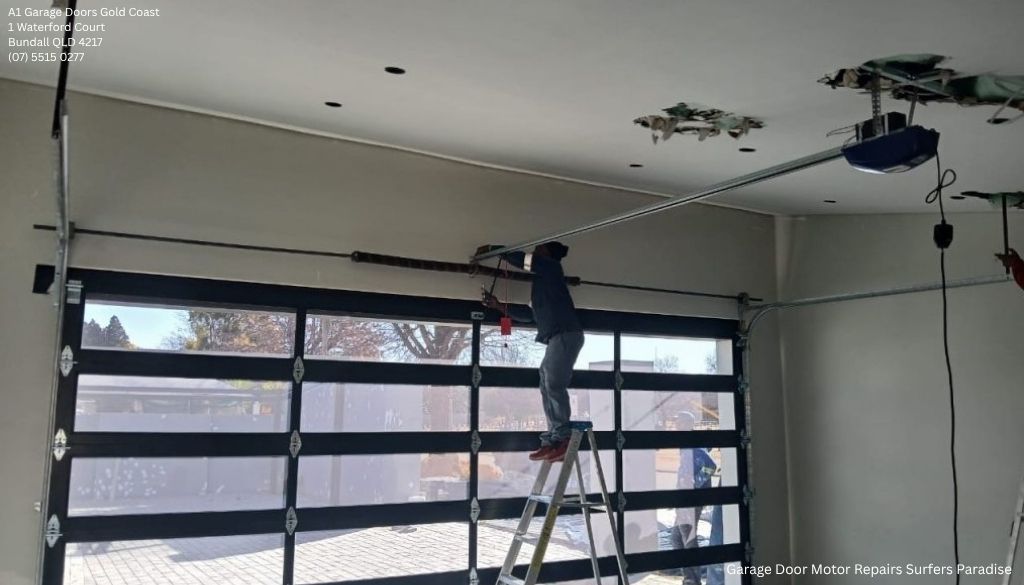
Do not attempt to improvise springtime job. Springs store significant energy, and Garage door spring replacement is not a casual DIY job. The exact same chooses cables under tension. Property owners can securely handle light cleansing, aesthetic checks, and occasionally roller lubrication if the maker permits it, yet high-tension parts are worthy of specialist handling.
Matching the opener to the home
The ideal choice usually ends up being noticeable once you envision day-to-day use clearly.
For a townhouse with a bed room over the garage, belt drive is normally the simple suggestion. The extra quiet is not a luxury there, it is quality of life. For a detached garage behind your home, chain drive regularly wins on worth. For a home owner that leaves early, returns late, and cycles the door numerous times around sleeping kids, belt drive earns its maintain. For a rental property where trustworthy feature and affordable price issue most, chain drive might be the better economic fit.
Climate and use patterns can shape the choice as well. In colder regions, garage door systems are already under even more seasonal stress since lubricants thicken, weather seals tense, and doors may stick after freeze-thaw cycles. In those homes, smooth operation becomes even more useful, though the door's condition still matters greater than the drive type alone.
If the garage serves as a workspace, sound matters differently. A chain drive in a workshop may be flawlessly acceptable if the proprietor worths budget plan and durability. But if recordings, remote conferences, or focused bench work take place in that space, belt drive may still deserve it also in a separated building.
When substitute is smarter than repair
Homeowners often ask whether to repair the existing opener or change it with a different drive kind. The solution depends on age, problem, and what you dislike concerning the current unit.
If the opener is reasonably new and the problem is isolated, a repair service might be completely reasonable. If it is older, loud by design, and missing out on safety and security or convenience features you now desire, substitute generally makes more sense. This is specifically true when repeated service calls begin to pile up. At some time, you are paying to maintain an experience you do not enjoy.
The bigger inquiry is whether the aggravation originates from the opener design or the door system around it. A chain drive that has actually come to be noisier in time may need change, new rollers, or spring service, not replacement. A belt drive that all of a sudden appears rough may have a door issue upstream. Excellent medical diagnosis protects against thrown away money.
For industrial setups, the mathematics adjustments. Downtime can cost more than the devices itself. In commercial garage door repair, substitute decisions frequently come down to dependability, components accessibility, and exactly how rapidly solution can be finished without disrupting procedures. Belt versus chain is only one part of that discussion.
So which one needs to you pick?
If you desire the quickest honest solution, here it is. Choose belt drive if the garage is connected, noise matters, and you desire the smoother day-to-day experience. Choose chain drive if the garage is removed, budget plan issues much more, and additional sound will certainly not influence your household.
That basic solution covers most homes, yet the best choices still originate from considering the whole system. A peaceful opener on a badly balanced door will certainly let down. A chain drive on a well-kept removed garage can be a superb value. A belt drive in a busy household home usually turns into one of those upgrades people appreciate every day without thinking about it.
Whether you are preparing a fresh garage door installation, replacing an aging garage door opener, or reserving Garage door repair after years of wear, take a moment to think past the box price. Take into consideration where the garage rests, exactly how commonly the door moves, that hears it, and whether the remainder of the equipment is really healthy and balanced. That is exactly how you pick an opener that really feels right not just on mount day, however every early morning after.