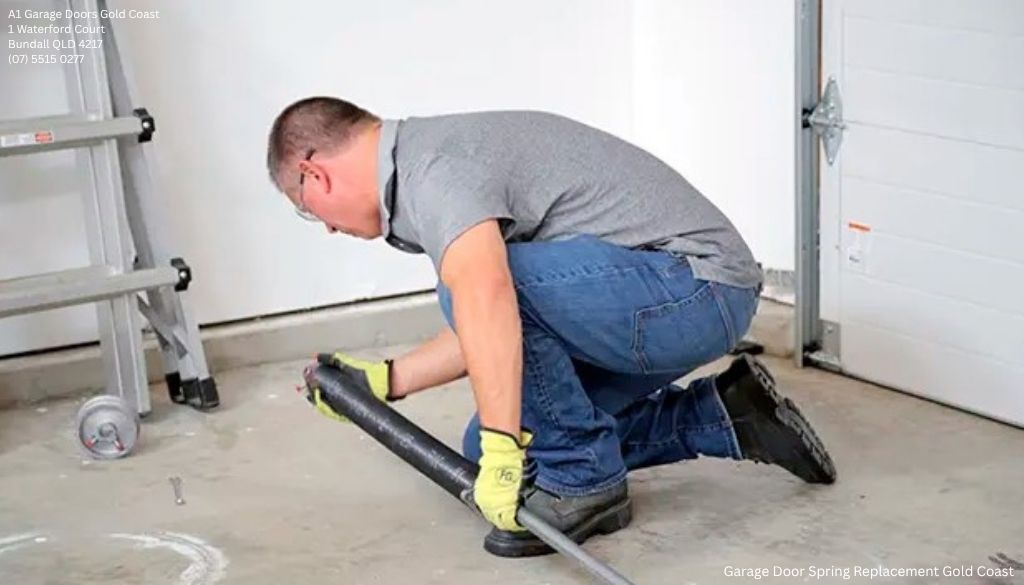
A garage door opener normally obtains attention only when it quits doing its task. On a good day, you push the wall surface button or remote, the door glides up, and you clear out without a reservation. On a negative day, it hums however does stagnate, turns around halfway, flashes its lights, or ignores you completely. Most everyday opener troubles fall into a handful of familiar categories, and a number of them can be limited without special tools.
That issues since a garage door system is much more interconnected than it looks. The opener obtains the blame for problems that really begin with the springs, tracks, rollers, wires, or door balance. I have actually seen property owners change remotes, reprogram keypads, also acquire a brand-new electric motor system, only to locate that the real problem was a binding track or a tired torsion springtime. Great troubleshooting begins by dividing what the opener is intended to do from what the door itself can literally handle.
Start with the symptom, not the opener
When a garage door opener breaks down, people commonly leap directly to the power head placed on the ceiling. It is understandable. The electric motor makes noise, the lights blink, and the remote belongs to the problem, so it feels like the opener must be at mistake. In method, the opener is commonly the messenger.
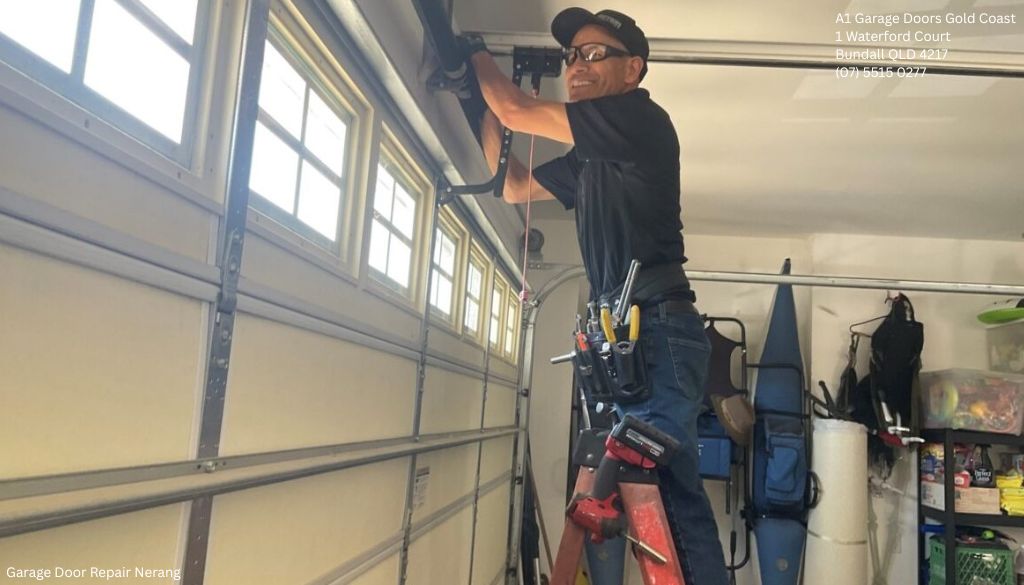
A common residential unit is designed to assist an effectively balanced door, not force a falling short one open. If the door is heavy since a spring is weakening, the opener may stress, quit, or reverse for safety and security. If the tracks are filthy or a little bent, the cart may maintain trying while the door is reluctant and shudders. If the photo eyes are misaligned by even a little bump from a mop or wastebasket, the opener might close partway and afterwards head back up.
That is why the best first inquiry is simple: exactly what is the door doing? Not moving in any way is different from relocating a few inches. A clicking remote is different from an electric motor that runs without lifting the door. A door that opens fine yet will certainly not shut points you in a different instructions than one that declines both ways.
The fast checks that address more calls than you may expect
Before opening covers or reaching for modification screws, rule out the easy reasons. These are the fixes that settle a surprising number of solution calls, especially in homes where the system has actually functioned accurately for several years and then unexpectedly acts strange.
- Confirm the opener has power, the electrical outlet functions, and no GFCI upstream has actually tripped. Replace the remote battery and inspect the lock or holiday activate the wall surface control. Wipe the picture eye lenses and make sure both sensors encounter each various other without obstruction. Look for anything physically obstructing the door path, consisting of ice build-up, particles, or a shifted storage space item. Test the hands-on lock on the door itself, since an engaged slide lock can mimic opener failure.
None of those checks takes long. Together, they remove the obvious before you relocate deeper into repairing. On chilly early mornings, for instance, I have seen doors stick to the concrete from a slim line of frozen moisture along the lower seal. The opener moans, the door relocates half an inch, after that turns around. To a homeowner, it seems like an electric motor trouble. In truth, the opener is doing precisely what it needs to when it senses resistance.
When the remote jobs often, or only from specific spots
Intermittent remote concerns can be frustrating due to the fact that they reoccur. Eventually the opener reacts from the end of the driveway, the next day you have to stand straight under it. That normally indicates signal disturbance, battery toughness, or antenna issues as opposed to a poor motor.
Start with the remote battery, even if the sign light still begins. A weak battery might power the light while stopping working to transfer a solid adequate signal. If several remotes are impacted, inspect the opener antenna. It is generally a tiny wire hanging from the motor device. If it has actually been tucked up, damaged, or wrapped around a bracket, variety can go down noticeably.
Interference is one more common perpetrator. LED bulbs in the opener, neighboring safety devices, and even some phone chargers in the garage can create radio sound. If the problem started after changing bulbs or including electronic devices, that timing issues. Switching out an LED light bulb for one especially rated for garage door opener usage can recover regular variety. It seems small, but I have seen it happen greater than once.
If the wall switch works each time yet the remotes do not, the opener's core drive system is most likely fine. Focus on transmitters, antenna, shows, and interference prior to presuming you need garage door repair on the motor system itself.
The opener runs, however the door does not move
This signs and symptom narrows the field quickly. If you hear the motor and possibly also see the chain, belt, or screw drive operating, however the door sits tight, you may be handling a detached trolley. A lot of openers have an emergency situation launch cable, usually with a red manage. If that release has been pulled, the opener can run while the door continues to be detached.
Sometimes this takes place after a power outage, a hand-operated opening, or a person yanking the launch inadvertently while relocating items in the garage. Reconnecting the trolley is usually uncomplicated, though the precise method varies by opener design. In several systems, moving the door or running the opener cycle allows the carriage re-engage automatically.
If the cart is engaged and the electric motor still runs without lifting the door, the concern might be interior to the opener. Worn drive gears are a timeless example, particularly in older chain-drive systems. You might hear the electric motor hum and spin, but the force never moves effectively. Because situation, repair work could be possible, though age matters. On an opener that is fifteen or twenty years of ages, replacing major interior components is not always the most intelligent investment.
There is another possibility, and it is a more serious one: the door may have ended up being too heavy to lift as a result of a springtime trouble. In many homes, a damaged torsion springtime provides as opener failure. The electric motor attempts, the door hardly moves, and afterwards everything stops. If you notice a visible gap in the torsion springtime over the door, or the door really feels remarkably heavy when separated from the opener, quit there. Garage door spring replacement is not a casual DIY task. The saved stress is considerable, and the risk is real.
When the door begins down, after that reverses
This is among one of the most typical complaints with contemporary openers, and the picture eyes deserve the first appearance. These safety sensors rest near the bottom of the tracks, dealing with each various other across the opening. If the light beam is disturbed or the alignment wanders, the opener analyzes that as an obstruction and reverses the door.
Alignment can shift from a light bump. You do not require a significant effect. A rake handle, a youngster's bicycle tire, or a storage space container cleaning the sensing unit brace can be sufficient. Dirty lenses can additionally damage the beam of light, especially in garages where dirt, plant pollen, or crawler internet develop up.
If the sensing units look great and indication lights show they are straightened, take into consideration the traveling and force settings. A door that satisfies uncommon resistance near the floor may reverse because the opener detects excessive load. The cause could be a tight base seal, minor track misalignment, or a door that is not traveling uniformly. It can additionally occur when the close restriction is established also far, triggering the opener to keep pushing after the door has actually currently gotten to the floor.
This is where judgment matters. Tiny changes can fix the trouble, yet random turning of pressure and limit screws usually produces brand-new ones. If the door has just recently had garage door installment job, panel substitute, or track repair service, settings may need to be altered to the changed geometry. If no current work has been done and the reversal started all of a sudden, check the hardware and flooring get in touch with before adjusting the opener.
Strange noises typically tell a story
Garage doors are never silent, yet they need to appear consistent. A new grinding noise, sharp squeal, repeated popping, or heavy bang Check out here usually implies something mechanical has changed.
A grinding noise from the opener head can recommend used gears or gear issues. A screech along the track directs regularly to rollers, hinges, or dry steel call. Standing out from above the door can indicate spring stress and anxiety, especially in systems where a spring is nearing failing. A loud bang in the garage, commonly incorrect for something diminishing a shelf, is a classic description of a spring breaking.
What matters is where the noise seems to come from and when in the cycle it appears. Noise at start-up suggests a various trouble than sound near the completely open position. If the opener strains at the beginning of travel, the springs might not be offsetting the door weight properly. If the noise occurs only near completion, try to find track issues, hanging equipment, or opener limitation settings.
Lubrication helps, but just when put on the ideal components. Rollers, hinges, and springtime coils might take advantage of items planned for garage door equipment. Tracks generally should be kept tidy instead of heavily greased, due to the fact that greasy tracks gather grit and produce drag. If lubrication transforms the audio just briefly, the underlying component may already be worn.
A door that really feels heavy is not an opener issue first
One of the clearest diagnostic examinations is also among the most valuable. With the door closed, pull the emergency situation launch so the opener is detached, then try raising the door by hand. It needs to move with convenient effort and stay about balanced if elevated halfway. It does not need to drift completely, yet it should not knock down or seem like lifting a dead weight.
A hefty door typically points to spring trouble. Springs do the hard work. The opener just guides the movement. When the springtime system deteriorates, the opener becomes worn, and signs increase. Slow-moving activity, jerking begins, partial opening, and repeated turnarounds can all map back to inadequate balance.
For homeowners searching for residential garage door repair, this difference is important due to the fact that it influences both safety and security and cost. Changing an opener will not cure a door with falling short springs. It might also reduce the life of the brand-new opener. On the industrial side, the same concept applies, though the systems are usually bigger, much heavier, and based on a lot more constant cycles. Business garage door repair tends to involve harder hardware and stricter solution timetables, but the logic is the same: the driver is not there to subdue a busted door.
Cold climate, warm, and seasonal shifting
Garage door opener troubles are often seasonal. In wintertime, grease enlarges, lower seals stick, and metal contracts. In summer season, warmth can impact traveling setups, soften older plastic components, and reveal minimal electronic devices. Homes with detached garages typically see extra temperature-related problems due to the fact that the opener and door experience bigger swings.
Wood doors add another layer. They can absorb moisture, swell a little, and change exactly how they move in the opening. Also steel doors on older homes might react to seasonal framing shifts. A door that closed flawlessly in October might begin massaging by January, not since the opener neglected its job, however since the opening transformed just enough to matter.
That is why some service calls are not real failures at all. They are tune-up problems. Minor limitation changes, track alignment corrections, lubrication, and hardware tightening up can bring back reputable procedure. It is one reason routine garage door repair and upkeep frequently sets you back less than waiting on a significant breakdown.
Knowing when not to keep troubleshooting
There is a point where further house owner screening is unworthy the risk. Springs, cable televisions, bottom brackets, and greatly packed hardware should have caution. A garage door may look basic, but the saved energy in the system is significant.
Use this line as a practical limit:
- Stop and call a specialist if a springtime is broken, a cable television is frayed or off the drum, the door is misaligned in the opening, or the opener is attempting to lift a visibly out of balance door. Get assistance if the door pounds shut, binds hard in one area of travel, or has actually harmed tracks or bent placing brackets. Bring in solution for electrical burning scents, repeated breaker trips, or opener real estates that come to be abnormally hot. Schedule assessment after influence damages, such as a lorry bumping the door, because panel damages can conceal architectural misalignment. Consider replacement as opposed to repair when an opener is very old, does not have contemporary security attributes, or requires repeated interior component repairs.
That last point deserves a little even more focus. Older openers can often be fixed, yet not always wisely. If the unit predates current security assumptions, or parts are coming to be scarce, replacement might be the much better path. A modern garage door opener normally brings quieter procedure, rolling-code safety, battery back-up alternatives, and much better barrier discovery. If you are already intending garage door installation for a new door, pairing it with a properly sized opener can prevent inequality issues later.
Residential and industrial troubleshooting are cousins, not twins
People typically make use of the very same language for home and service door systems, but the service strategy is not the same. Residential garage door repair normally revolves around sectional doors, moderate cycle counts, and quieter drive systems. Commercial garage door repair commonly entails heavier doors, higher daily use, jackshaft operators, chain hoists, and stricter downtime concerns.
The opener signs can look similar. Failure to close, recurring controls, reversing doors, loud operation, and hefty travel prevail in both setups. The difference is what sits behind those symptoms. A busy loading bay door that cycles loads of times daily puts on parts quicker than a single-family garage door used 4 or 6 times daily. The troubleshooting way of thinking must make up task cycle, equipment class, and operational urgency.
Still, the very same guideline is true in both environments: do not criticize the operator until the door itself shows it is well balanced, lined up, and free-moving.
Good maintenance prevents a great deal of "secret" opener issues
A garage door opener obtains unjustly implicated since it is the visible control factor. What actually avoids several opener problems is routine focus to the entire system. Tightening loosened joints, examining roller wear, keeping tracks clear, testing equilibrium, and validating sensor alignment all decrease the possibility of irregular operation.
For most homeowners, a brief month-to-month look and a more extensive yearly assessment go a long way. You are not trying to end up being a service technician. You are trying to find modifications. New appears, uneven motion, postponed reaction, loose braces, and used weather seal edges work ideas. When captured early, they typically lead to smaller repairs.
I as soon as looked at a door where the house owner promised the opener was dying since it had ended up being loud and irregular over a number of weeks. The opener itself was fine. The real problem was a roller that had actually put on enough to drag in the track, plus a joint that had loosened simply enough to toss the panel placement off during closing. The repair took much less time than changing the opener light bulbs. That type of situation is common.
If you are choosing in between fixing and replacement
Troubleshooting is partially concerning recognizing the immediate fault and partially concerning choosing what makes good sense following. A ten-dollar battery is one point. A removed primary gear on a twenty-year-old opener affixed to an unbalanced door is another.
Age issues, but so does context. A fairly brand-new opener with a stopped working capacitor, travel setting issue, or bad sensor cable is often worth fixing. An older system with duplicated issues, bad parts accessibility, and no contemporary safety and security updates might be much better retired. If the door itself is being changed, opener choice need to match the door weight, height, and usage pattern. That is where proper garage door installation preparation repays. A quiet belt drive may be perfect over a space, while a various arrangement may be better for a much heavier separated garage door.
When a technician reviews the system, the most effective ones look beyond the complaint. They test equilibrium, evaluate spring life, check out rollers and track problem, and validate safety and security reversal, not simply whether the electric motor runs. That more comprehensive sight is what separates a spot from a resilient fix.
The real objective is reputable, risk-free operation
Everyday garage door opener concerns typically start with normal points: dead batteries, dirty sensors, small imbalance, aging gears, or a door that has drifted out of balance. The obstacle is that basic symptoms can mask very various reasons. A door that will not shut could need nothing more than sensor alignment. A door that will not open could be alerting you about a spring that prepares to fail.
The most intelligent repairing approach is tranquil, methodical, and honest regarding limits. Examine the simple things initially. Observe how the system behaves. Separate opener issues from door troubles. Do not compel modifications when the door is clearly heavy or crooked. And when springs, wires, or structural placement are involved, treat the system with respect.
A garage door opener should make every day life very easy. When it does not, the fastest path back to regular is not guesswork. It bewares medical diagnosis, functional upkeep, and timely fixing when the door informs you it needs more than a brand-new remote battery.