A garage door spring does not obtain much attention till the day it breaks, extends, or begins making the entire door feel larger than it should. Then it becomes the only point any person intends to speak about.
If you are attempting to make a decision between garage door spring substitute and repair, the solution depends upon more than whether the door still moves. Springs wear progressively, in some cases for several years, and the warning signs are not always dramatic. A door can open jagged, slam closed, pressure the garage door opener, or make a loud bang that seems like something broke in the wall commercial garage door repair surface. In some homes, the springtime fails all at once. In others, it weakens simply enough to create a dangerous circumstance that looks harmless in the beginning glance.
The short version is basic. Minor hardware issues around the spring system can occasionally be fixed. The springtime itself, once split, badly stretched, or near completion of its cycle life, is generally a substitute work. The method is understanding where that line is, and that issues because presuming wrong can harm the door, wear out the opener, or put somebody in the course of a falling panel.
What the springtime really does
Most individuals believe the garage door opener raises the door. It aids, but the springtime does the genuine heavy work. A basic household garage door can evaluate anywhere from 130 to greater than 300 extra pounds, depending on dimension, insulation, windows, and product. Larger custom wood doors can go much higher. The springtime system counteracts that weight so the door feels convenient and moves smoothly.
When the spring is healthy and balanced, you can typically lift the door by hand with steady resistance. It should not shoot upwards, and it needs to not crash down. It ought to stay near where you leave it if you quit midway. That balance is the entire point.
There are two common spring setups. Torsion springs place over the door opening on a shaft. Expansion springs leave the straight tracks on each side. Torsion systems are much more typical on more recent installations due to the fact that they often tend to run more smoothly and are usually simpler to fine tune. Extension systems still show up usually, specifically in older homes and some budget plan setups.
In both situations, the springtime shops mechanical energy. That kept energy is what makes this system reliable, and what makes it harmful when taken care of incorrectly.
Repair and replacement are not the same decision
A great deal of homeowners utilize words repair to imply any kind of spring-related service telephone call. In the field, that is not just how the work is normally split. A true springtime fixing typically means dealing with a related problem without setting up a new spring. That may consist of readjusting tension, changing used bearing plates, resetting loosened hardware, fixing cable placement, or dealing with braces that have actually moved under load.
If the spring itself is broken, split, terribly rusted, visibly gapped, or has lost enough stress that it can no longer counterbalance the door securely, substitute is the ideal step. Springs are wear elements. They are rated for a certain variety of cycles, with one cycle indicating the door opens and closes when. Standard springs are often rated around 10,000 cycles, though higher-cycle options are readily available and usually worth the additional cost.
A household that makes use of the garage as the main entryway can burn with cycles much faster than they anticipate. Four journeys a day is not unusual, and that works out to approximately 1,400 cycles a year. Include teens, canine walks, plan shipments, yard tools, and weekend break website traffic, and the spring ages quickly.
When a repair work might be enough
Not every spring-related trouble asks for complete garage door spring substitute. There are instances where the spring is still structurally audio, yet the system around it is refraining from doing its job correctly.
A torsion springtime can be out of adjustment after various other parts wear down. Wires can come slightly off track. Drums may change. Bearings can drag. A door that was as soon as stabilized can begin to feel awkward or loud, despite the fact that the springtime itself is still intact. In those scenarios, a competent garage door repair technician might have the ability to recover correct operation with targeted service instead of changing the spring.
This comes up commonly after an influence. A chauffeur pushes the bottom panel. A ladder drops versus a track. A roller begins binding and changes just how the lots takes a trip through the system. The homeowner notices the door looks irregular and assumes the spring misbehaves. Often it is. Sometimes the spring is great and the door needs a track correction, wire reset, or hardware tightening.
There is additionally a center group that triggers complication: the door works, however not well. It might open up slower than before, hesitate near the floor, or make the garage door opener sound stressed. That does not automatically suggest the springtime can be repaired. It does mean the system must be checked before the opener gets harmed attempting to compensate.
A common real-world instance is a door that begins to reverse on cool mornings. Many people condemn the opener sensors, and occasionally that is appropriate. But I have additionally seen weak springs produce enough additional lots that the opener translates it as a blockage. Changing pressure settings is not the best fix if the door balance is the actual problem.
When substitute is the best call
Once a spring breaks, the conversation usually finishes there. Substitute is needed. Springs do not obtain covered back with each other in any risk-free or lasting way. The exact same uses when the springtime is badly flawed, greatly rusted, or plainly nearing failure.
These are the most common indicators that point toward replacement:
- A visible void in the torsion springtime or a fully broken extension spring The door feels exceptionally heavy when lifted manually The opener strains, stalls, or lifts only a few inches The door slams closed or will not stay midway open One springtime has failed on a two-spring system, and the other is the same age
That last factor deserves emphasis. If you have a two-spring torsion system and one spring breaks, replacing both is normally the smarter decision. Springs in a pair age with each other. If one has actually gotten to completion of its life, the second is typically stone's throw behind. Changing only one can conserve money today, however it commonly results in a second solution call quicker than expected.
For commercial garage door repair, the replacement decision often tends to be much more straightforward. Industrial doors are much heavier, utilized a lot more frequently, and usually connected to shipment routines, security worries, or company gain access to. A low spring in that setting is not simply an aggravation. It is downtime. When cycle matters are high and the cost of disruption is genuine, replacement is frequently the a lot more cost-effective choice even prior to a total break occurs.
Why "it still opens up" is not a trustworthy test
Homeowners frequently judge the door by one criterion: does it go up and down? That is easy to understand, yet it misses exactly how the system really works.
I have actually seen doors with hazardously weak springs that still open since the garage door opener is doing job it was never made to do. Openers guide and control activity. They are not indicated to dead-lift a complete door repeatedly. If the spring is stopping working, the opener might maintain working for some time, especially if it is a strong belt-drive or chain-drive design. That does not indicate the door is risk-free. It means another pricey element is now under stress.
A stressed opener can show up as jerky traveling, humming, postponed begins, or a rail that drinks greater than typical. Often the top section of the door bows slightly throughout motion since the opener is pulling versus an unbalanced load. In serious cases, the electric motor wear out or the trolley setting up breaks.
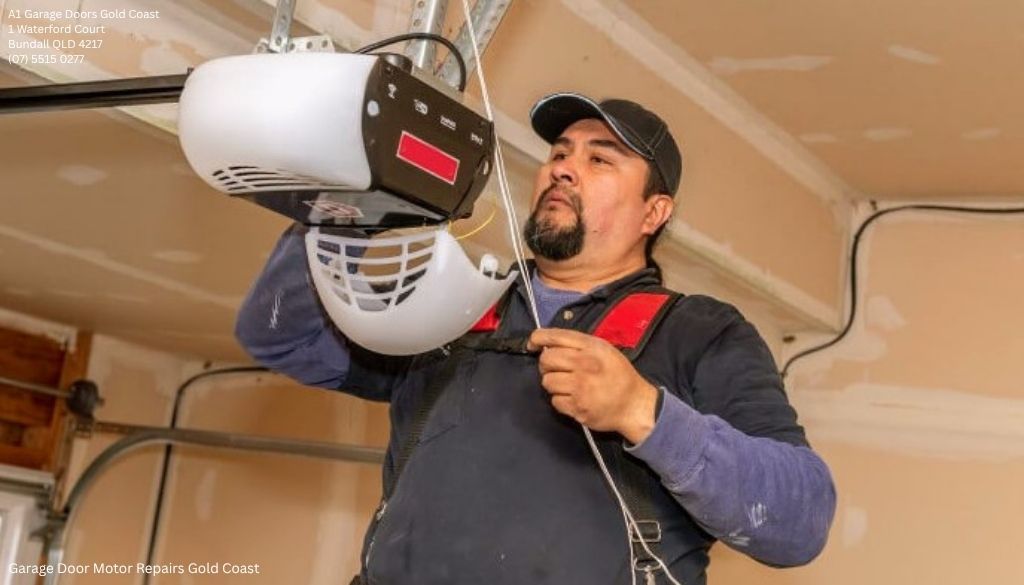
This is one reason garage door repair ought to look at the system overall. A springtime issue can impersonate as an opener problem, and an opener concern can distract from a failing springtime. The ideal diagnosis matters greater than the very first symptom.
The age of the springtime matters more than most people think
A springtime does not have to be damaged to be consumed. With time, metal tiredness. Stress adjustments. Corrosion deteriorates the coils. Also if the door still operates, an older spring might no more supply the right counterbalance.
This issues due to the fact that older springs often tend to fall short at inconvenient times. It is hardly ever throughout a calm Saturday mid-day when you are already cleaning the garage. More often it occurs at 6:30 in the early morning when a person needs to leave for job, or during hefty weather condition when the door has actually been cycling greater than usual.
If a springtime is near or past its expected cycle life and the door is already showing indicators of inequality, replacement makes even more sense than attempting to eject a few even more months. That is especially true if you are already paying for a solution browse through. A tiny repair service on a tired spring system can end up being a short-term patch with a second invoice attached.
Cost versus worth, what homeowners must weigh
It is appealing to contrast repair and replacement simply by cost. A small modification or hardware improvement will typically cost less than a complete spring replacement. Yet cost alone is not the ideal lens.
The much better inquiry is value in time. If the springtime is healthy and balanced and the problem is in other places, fixing is the wise choice. If the spring is old, mismatched, damaged, or near failure, replacement is typically the far better value also if the billing is higher that day.
On property garage door repair calls, I usually inform people to take into consideration three things: age, balance, and use. A newer spring with a clear change concern is a fixing conversation. An older spring on a heavily used family members garage is usually a replacement discussion. A getaway building with reduced cycle usage might fall someplace in between.
Garage door installation likewise alters the formula. If you are mounting a new door, the springtime system should be matched to the door weight and anticipated usage. Reusing old or small springtimes to save a little cash in advance frequently brings about noisy procedure, opener stress, and reduced service life. A correct installment is not nearly fitting panels and tracks. It has to do with balancing the entire assembly.
Single spring versus dual springtime systems
This is where a great deal of functional judgment can be found in. A single-spring system has one apparent substitute point. When it falls short, the choice is basic. On a two-spring system, property owners often ask whether both springtimes really need to be transformed if only one broke.
Technically, not always. Virtually, frequently yes.
If both springtimes were mounted at the very same time, have similar wear, and one has already damaged, the second is normally close behind. Changing both restores also raising pressure and lowers the possibility of another failure in the near term. It additionally aids avoid imbalance that can wear wires, rollers, and the opener.
There are exceptions. If one spring was changed lately and the other is newer, replacing only the failed spring might be affordable. But mixed-age springs should be matched meticulously for dimension and lift qualities. This is not a component of the system where approximate is excellent enough.
Safety is not an advertising line here
Some home repair work are forgiving. This set is not. Garage door springs are under high tension, and mistakes can be fierce. A winding bar sliding from a torsion cone can create serious hand, face, or shoulder injuries. An extension spring without appropriate containment can release with frightening force.
Most homeowners fit altering weather condition seal, tightening up visible bolts, lubing rollers, or testing safety and security sensing units. Springtime work is a different group. Even knowledgeable general handymen often prevent it unless they especially take care of doors.
An appropriate solution phone call includes more than exchanging components. The service technician should validate spring sizing, evaluate cords and drums, examine the facility bearing and end bearings, analyze the bottom brackets, examination balance by hand, and verify that opener force and traveling are still appropriate after the door is rebalanced. That final component is usually overlooked. A newly balanced door might call for opener modifications so the entire system functions together.
What a good technician tries to find on site
A spring diagnosis should not take 10 secs from the driveway. The noticeable break matters, yet so does the remainder of the system. A cautious professional usually checks numerous points before advising fixing or substitute:
- Door weight and dimension, including whether the present springtime is properly matched Cycle wear, corrosion, and indications of steel exhaustion on the spring Cable problem, drum wear, and track alignment Opener stress, pressure settings, and traveling behavior Whether the second springtime or surrounding hardware is near failure
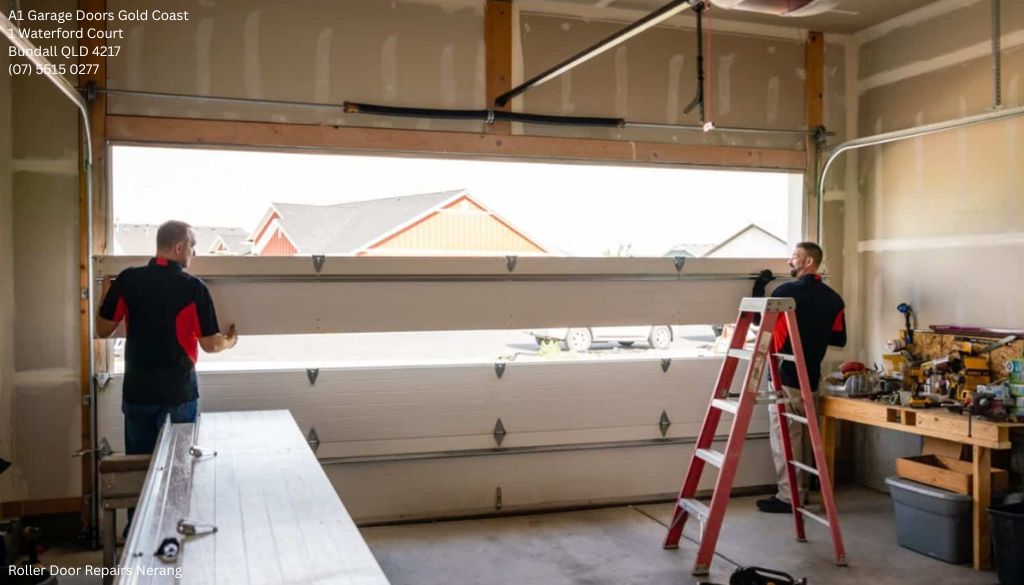
That wider examination is one factor professional garage door repair often stops larger problems. A spring might be the reason you called, but worn rollers, broken hinges, or frayed cables are what turn a regular problem right into an emergency situation a month later.
Residential and commercial requirements are different
Residential garage door repair usually focuses on comfort, security, and shielding the opener and door areas from further damages. In a home, a failed spring can catch cars and trucks within, leave your home unsafe, or produce an autumn danger for children and pet dogs. The repair service technique often stabilizes immediate price with dependability for daily family use.
Commercial garage door repair has a different pressure. Warehouses, solution bays, storefront packing doors, and fleet buildings rely on repeat biking and foreseeable accessibility. Springs on business doors usually bring much heavier loads and withstand much greater cycle matters. Downtime can suggest missed out on shipments, labor hold-ups, or safety and security voids. Because setting, changing aging springtimes prior to overall failure is commonly a sound operating decision, not an unneeded upsell.
The very same logic applies to high-use property arrangements. If your home makes use of the garage as the primary front door and the springtime is nearing completion of its life, an aggressive replacement can be sensible.
The duty of the garage door opener after spring work
People are often surprised to discover that a garage door opener issue can go away after spring replacement. That is since the opener was never truth problem. It was struggling against a door that had actually lost appropriate balance.
After any springtime service, the opener needs to be examined meticulously. The door must move smoothly, reverse appropriately, and stay clear of jolting at the floor or header. If the opener was strained for a while, related components might still need focus. I have actually seen trolleys with used teeth, curved rails, and loose installing brackets after months of compensating for a weak spring.
This is also a good time to consider the bigger image. If the opener is older, louder than it should be, or lacking standard security and convenience features, spring substitute sometimes comes to be the moment home owners additionally review an opener upgrade. Not since they must, however because the system is already being serviced and rebalanced.
A sensible way to decide
If you are standing in the garage attempting to determine whether you need a repair or complete replacement, the deciding factors typically come down to problem, age, and efficiency. A spring that is intact and properly sized however influenced by a neighboring hardware problem may be repairable. A springtime that is broken, worn down, badly rusted, mismatched, or clearly triggering equilibrium failure need to be replaced.
There is no reward for getting every last day out of a tired spring. The downside is expensive. A broken opener, a dropped door, a cars and truck caught inside, or an injury costs more than a prompt replacement.
Good solution is not about pressing the bigger ticket. It has to do with matching the solution to the actual condition of the door. Often that indicates a targeted garage door repair. In some cases it indicates garage door spring substitute, preferably with both springtimes if they have matured together. And if the entire system is obsoleted or badly matched, it might also bring about a more comprehensive discussion about garage door setup and lasting reliability.
The finest end result is a door that raises efficiently, remains well balanced, and stops asking the opener to do function the springtime needs to be managing. When that happens, the door obtains quieter, safer, and less costly to possess with time. That is generally how you recognize the appropriate choice was made.