A garage door can look simple from the driveway, but any individual who has actually worked around one knows far better. It is one of the heaviest relocating systems in a lot of structures, and the springs do the effort that makes a 150 to 300 pound door feel convenient. When those springtimes begin to stop working, the warning signs commonly appear prior to the break. The issue is that several house owners and even some property supervisors miss out on those early hints, or they placed them off because the door still opens "well enough."
That hold-up can get pricey fast. I have actually seen a door limp along for weeks with a weakening springtime, only to obtain an opener, bend a track, and leave an auto entraped inside the garage on a Monday early morning. I have likewise seen business doors boil down erratically due to the fact that one spring lost tension, which placed stress on rollers, joints, and the operator. In both domestic garage door repair and commercial garage door repair, springtime problems hardly ever remain isolated for long.
Understanding what the springtimes are informing you issues. Garage door spring replacement is not simply one more maintenance thing. It is a safety concern, a reliability problem, and oftentimes, a way to prevent a much bigger fixing bill.
Why springtimes matter more than most individuals realize
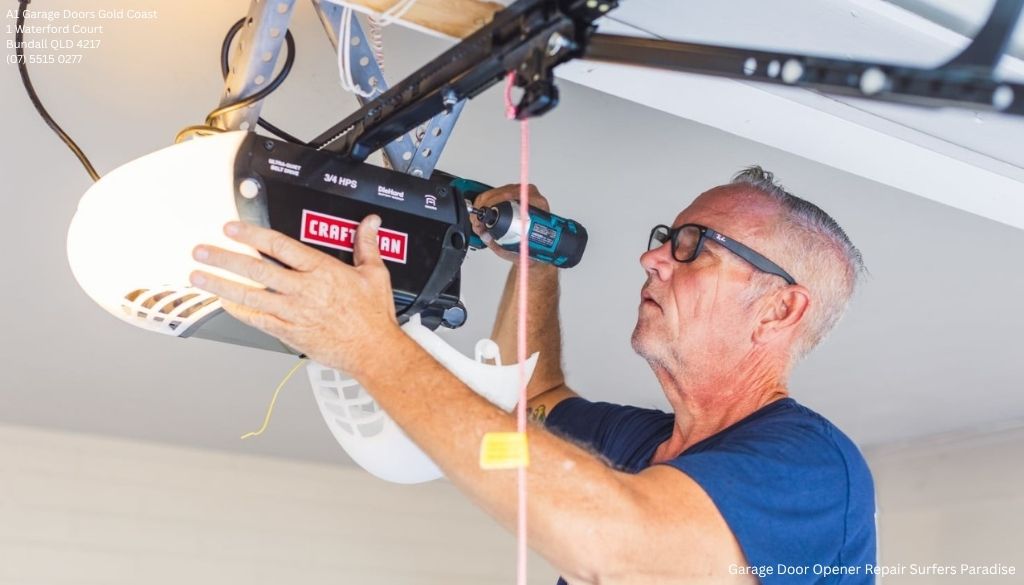
The garage door opener does not actually raise the full weight of the door by itself. The opener guides and controls motion. The springs supply the counterbalance. When the spring system is functioning correctly, the door must feel surprisingly light when disconnected from the opener. When the springs are worn, out of balance, or broken, the opener is unexpectedly asked to do a task it was never ever meant to manage alone.
There are 2 springtime systems the majority of people experience. Torsion springs sit over the door opening up on a shaft and store energy by twisting. Extension springs leave the straight tracks and stretch as the door relocations. Torsion systems are more common on more recent installs because they tend to run even more smoothly and provide better control. Expansion systems still exist, particularly on older doors and spending plan setups.
Both types wear out. Springs are rated in cycles, and one cycle means the door increases and returns down. A conventional spring may last around 10,000 cycles, though that number can vary based upon top quality, setting, usage, and door weight. In a house that opens the garage 4 to six times a day, a spring can wear rather than people anticipate. In a busy business setup, the timeline can reduce dramatically.
The earliest signs are frequently subtle
Most spring failings do not start with a dramatic bang, though that can occur when a spring ultimately snaps. More often, the door starts acting in different ways. The modifications are small in the beginning. The door might seem somewhat heavier. It may hesitate a minute prior to relocating. You might listen to a brand-new noise and reject it because the door still operates.
Those are the moments to pay attention.
A correctly balanced garage door must relocate with a controlled, practically uncomplicated feel. When that really feel changes, the spring system is entitled to a closer look. In several garage door repair calls, the client first discovered something was "a little off" two or three weeks earlier. That detail matters because it normally implies the spring was deteriorating, not just arbitrarily failing out of nowhere.
Five indication you should never ever ignore
- The door really feels hefty when you lift it by hand, specifically if it utilized to move easily. The door opens up a few inches and stops, or reverses unexpectedly. You listen to loud creaking, standing out, or a sharp bang from the garage. The door looks crooked, jerky, or uneven as it moves. There is a noticeable gap in a torsion springtime, or extended, tired-looking expansion springs.
That list covers the most typical red flags, yet each one is worthy of context.
When the door unexpectedly feels too heavy
This is one of the clearest indications that a spring is no more bring its share of the tons. If you draw the emergency launch and attempt to raise the door by hand, it ought to not combat you. It should hug waistline elevation if the equilibrium is close to remedy. If it pounds down or takes real effort to elevate, stop there. That is not simply a nuisance. It means the counterbalance system is compromised.
People commonly think the garage door opener is falling short when the genuine issue is the spring. The opener might stress, hum noisally, or move the door gradually, yet that can be a sign, not the cause. Changing the opener initially is a typical misdiagnosis. I have actually seen flawlessly good garage door opener units stressed out due to the fact that they were forced to drag a dead-weight door for also long.
Loud sounds are not normal wear and tear
Garage doors are never ever silent, however there is a difference between routine operating noise and a sound that tells you something mechanical has altered. A sharp bang from the garage can be the noise of a torsion spring splitting. Lots of people define it as seeming like a firecracker or a board snapping. If that happens, do not maintain trying the door.
Creaking and standing out can additionally indicate problem prior to a break occurs. Those noises might come from springs under tension, hardware changing because stress is uneven, or bearings and brackets reacting to a load they were not seeing in the past. Noise alone does not verify that spring substitute is required, but sound paired with hefty motion or discrepancy is a solid indicator.
In seaside or damp environments, deterioration adds one more layer. Corrosion does more than make springs look old. It increases friction between coils and compromises the steel gradually. A rustic springtime usually appears harsh before it fails.
An uneven or jerky door is a major red flag
A garage door should travel in a reasonably smooth line. If one side climbs quicker than the various other, if the lower side looks angled, or if the door shudders as it moves, the springtime system may be erratically tensioned or partly stopped working. Often a cable television concern is included too, but springs are typically at the root of the problem.
This is where damage can spread quickly. Uneven movement puts tension on the right track, rollers, joints, and panels. On an insulated steel door, that can indicate panel splits or distortion. On a wood door, it can imply bending and equipment pull-out. On industrial sectional doors, the lots imbalance can wear via components fast, especially under frequent use.
If a door is visibly uneven, do not require it. That is how wires jump off drums, rollers pop complimentary, and doors obtain jammed midway open.
The opener begins acting strange
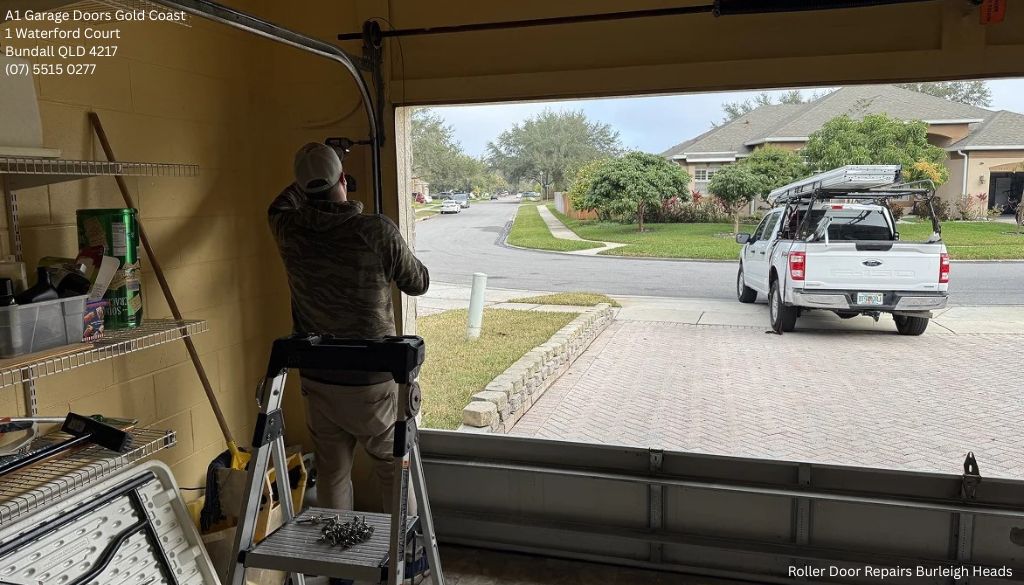
Modern openers have safety and security functions that detect resistance. When springtimes are stopping working, the opener might translate the extra weight or drag as an obstruction. The result can appear like an electrical concern. The door begins down, after that turns around. It gets partway up and quits. The motor appears strained. The rail may shudder greater than usual.
Homeowners sometimes start changing opener pressure settings to "resolve" the trouble. That is usually the wrong step. Boosting force to compensate for a spring problem can develop a safety threat and shorten the life of the opener. If the door equilibrium is incorrect, the springtime issue requires to be dealt with first.
This is one reason excellent specialists check the door by hand prior to condemning the electric motor. In both garage door repair and garage door setup job, equilibrium precedes. The opener is just as trustworthy as the door system it is connected to.
Visible springtime damages is enough factor to call
You do not require a remarkable failure to validate solution. If you can see a clean gap in a torsion springtime, that spring is damaged. If expansion springs appear extended, lengthened, or no longer balanced, they are most likely worn beyond secure use. If there is heavy corrosion, fraying cable televisions nearby, or loosened installing equipment around the springtime setting up, the system requires expert inspection.
One detail many people miss out on is that springtimes should typically be changed as a set on a two-spring system. If one breaks, the other has actually generally experienced a similar variety of cycles and is stone's throw behind. Changing just one might look less costly in the minute, but it frequently leads to an additional service phone call right after, plus a door that is tougher to balance properly.
Why putting it off gets expensive
A used springtime can harm more than itself. The opener is the initial element that has a tendency to endure due to the fact that it begins doing too much training. Then you might see frayed wires, curved shafts, used bearings, split joints, misaligned tracks, or harmed rollers. If the door boils down hard, panel sections can split or buckle. Those fixings accumulate quickly.
The indirect costs matter too. A stuck garage door can thwart a day, hold-up shipments, leave stock revealed, or catch a lorry inside. In an industrial setup, a nonworking overhead door can disrupt staffing, security, and access simultaneously. For home owners, the inconvenience is usually coupled with a safety issue, specifically when the door is iced up outdoors position.
I keep in mind a service telephone call at a little car shop where the proprietor had actually overlooked a battling door for almost a month. The spring had deteriorated sufficient that the operator kept making up up until the drive parts put on down. What began as a spring substitute turned into a bigger commercial garage door spring repair services garage door repair involving the driver, cords, and track change. The final expense was several times what an earlier repair service would certainly have been.
Residential and business indication are not constantly identical
The core symptoms are the same, but the context adjustments. In homes, the early indicators often turn up as aggravation. The door obtains loud, the opener struggles, or the household notifications the door is hard to raise throughout a power interruption. In industrial homes, the issue may provide as slower cycle times, uneven closure, or increased wear on high-use hardware.
Commercial doors are often larger, much heavier, and utilized much more often. That means springs can get to end-of-life much much faster than owners anticipate. A storehouse door that cycles dozens of times a day does not age like a household door that opens up a few times each morning and night. Because of that, set up examination is not optional in many business settings. It is fundamental danger management.
Why spring substitute is not an informal DIY project
There are lots of home maintenance tasks that compensate a cautious do-it-yourself technique. Garage door spring substitute is typically not one of them. Springs store significant power. Launching or using that stress inaccurately can create extreme injury. Torsion systems are especially unrelenting if the incorrect tools are utilized or if winding bars slip. Expansion systems lug their own hazards, particularly when safety and security wires are missing out on or damaged.
The internet makes tough jobs look simple due to the fact that video clips press time and get rid of the repercussions. What you do not see are the doors that were left unbalanced, the drums that were mis-set, or the brackets that were loosened at the wrong minute. A springtime work is not nearly exchanging components. It has to do with matching the springtime to the door weight, establishing proper tension, checking cable condition, verifying balance, and validating that the opener setups are still appropriate.
That work takes judgment, not just instructions.
What an appropriate service visit ought to include
An actual springtime replacement solution need to surpass getting rid of the broken component and setting up a new one. At minimum, the specialist needs to evaluate the whole training system since springs do not run in isolation.
- Confirm the appropriate springtime dimension and cycle score for the door's weight and usage Inspect cable televisions, drums, bearings, rollers, joints, and facility support hardware Balance the door by hand and test opener operation after tension is set Lubricate appropriate relocating parts and note wear that might require future attention Explain whether both springs should be changed and why
That sort of visit stops callbacks and shields the rest of the system. It likewise offers the property owner a clearer picture of what condition the door is really in.
The appropriate spring is not just the springtime that fits
This is one location where experience issues. A spring can look close sufficient in dimension and still be wrong for the door. If the cable dimension, inside diameter, size, or cycle score are not matched effectively, the door may practically open, yet it will certainly not balance appropriately. That can cause short opener life, rough traveling, and premature wear.
The very same concern turns up after a garage door installment. If the door has been updated from a lighter non-insulated model to a much heavier shielded steel door, the original springtimes may no more be appropriate. The door could benefit a while, however stress shows up ultimately. Whenever there is a major equipment modification, springtime choice ought to be examined as component of the general setup.
Maintenance can assist, however it will not quit aging
Lubrication, regular examination, and periodic equilibrium checks can extend the beneficial life of springs and assist capture indication early. They can not make a fatigued springtime new again. Steel under repeated tons eventually wears. The goal of maintenance is not to prevent substitute for life. It is to get a complete, safe life span and decrease the odds of security damage.
For homeowners, an easy behavior aids. Every few months, enjoy the door open and close without distractions. Listen to it. Look at whether it relocates degree. Notice whether the opener seems various. If there is a manual launch and you recognize exactly how to use it safely, test the equilibrium only when the door is fully shut and problems are regulated. If anything really feels incorrect, quit and schedule service.
For commercial properties, log cycle counts preferably, or at the very least track solution intervals. Heavy-use doors take advantage of planned maintenance because wear patterns appear long before an overall failure.
How to make a decision whether it is urgent
If the door is still relocating, people commonly ask whether they can wait a couple of days. Often the solution is indeed, yet the danger depends upon the signs. A visibly broken spring, a misaligned door, a door that will not remain open, or an opener that is plainly straining must be treated as urgent. A little extra noise on an otherwise smooth, balanced door may allow for a punctual yet not emergency appointment. The difficulty is that many people ignore what they are seeing.
A good guideline is simple. If the door's weight, balance, or positioning seems transformed, do not maintain cycling it to see what takes place. That screening is what transforms a spring problem into a multi-part repair.
The profits on cautioning signs
Garage door springtime replacement is among those repair services where timing issues. Early activity normally suggests a cleaner fix, lower expense, and much less disruption. Waiting typically indicates even more anxiety on the opener, more wear on equipment, and a greater chance of an abrupt failure at the worst possible moment.
The indicators are rarely strange. A heavy door, loud sounds, unequal traveling, opener stress, and visible spring damage are all telling you the very same point: the door is no more safely well balanced. Whether you are managing a household home, a packing bay, a solution store, or a storage space center, those warnings deserve punctual attention.
Good garage door repair is not practically obtaining the door relocating again. It is about recovering secure procedure, matching the best components to the system, and seeing to it the next cycle is as regulated as the last one ought to have been. When springs begin talking, it pays to pay attention early.