A garage door opener looks straightforward from the street. Press the remote, listen to the motor, see the door increase. Yet anybody that has dealt with a jammed door, an unsuccessful spring, a dead battery, or a wind-damaged panel recognizes the opener is component ease device, part safety system, and part accessibility control. It shapes exactly how a family members gets in the home, just how quickly a car can enter or out, and just how reliably the largest relocating opening on a residence closes against weather condition, theft, and unintentional misuse.
That matters much more in position where the garage door is subjected to extreme climate, salt air, or hefty daily use. On the Gold Coast and across much of Queensland, garage doors are not simply a lifestyle feature. They belong to a structure's strength. If a door fails under wind lots, the repercussions can be major, from structural damage to flying particles. In that setting, the opener is only one item of the system, but it plays a considerable function in exactly how safely the entire door operates.
The opener does more than relocate the door
People typically consider the opener as the electric motor attached to the ceiling, the thing that conserves a few steps on a stormy mid-day. That holds true, yet it undersells the work it carries out. A properly matched opener assists the door open and close in a regulated method, which decreases the opportunities of a person forcing the door, a car backing into it, or a customer raising a heavy door by hand when it is not well balanced correctly.
A garage door is just one of the biggest relocating components in a home. It carries weight, tension, and moving hardware that can be dangerous if dealt with delicately. Springs and cable televisions bring tons. Tracks guide activity. The opener provides regulated movement, and with the ideal setup it lowers the strain on the individual while encouraging the door to be made use of as intended. That regular, foreseeable movement is a safety advantage in itself.
There is likewise a practical security advantage. A closed, correctly operating door develops a barrier that is much harder to leave partly open by crash. The opener makes daily closing easier, which matters since the safest door is the one people actually closed. I have seen families where an aging hand-operated door ended up left ajar since "we were just gone for a minute." An opener changes that behavior. Little benefit usually becomes better security.
Safe access begins with the whole system, not just the remote
An excellent opener can not make up for a door that is worn, harmed, or otherwise certified with the problems it encounters. That is where numerous house owners obtain captured out. They change the motor because it feels like the noticeable fell short part, however the actual issue lies in other places, possibly in tired hardware, corrosion, or a door that no longer suits the environment.
For homes in cyclone-prone components of Queensland, garage door requirements are not an abstract technical issue. Queensland Government advice states garage doors installed in affected areas since 2012 must fulfill the wind-rated standard, AS/NZS 4505. Older doors might not have enough toughness for cyclonic winds. That is not an information to shake off, because garage door failure can result in significant damage inside the home and can develop wind-borne debris that puts individuals and adjoining properties at risk.
The opener can not turn a weak door into a wind-rated one. At best, it will open and close the door as designed. At worst, it can give an incorrect feeling of confidence. That is why risk-free home gain access to depends on the opener, the door, the springtimes, the setup, and the conformity of the system as a whole.
Why compliance matters greater than many proprietors realise
The legal and technological side of garage doors is easy to ignore till something goes wrong. Queensland's building structure rests under the National Construction Code, the Queensland Growth Code, the Building Act 1975 and the Structure Regulation 2021. Specification Australia notes that Australian Requirements are voluntary unless they are referenced by law, whereupon they can come to be mandatory. In sensible terms, that implies a door standard can relocate from a referral to a demand relying on where and exactly how the door is installed.
For house owners, that has two direct consequences. First, a garage door that served in one period may not match present assumptions in a wind-rated location. Second, any kind of substitute or upgrade needs to be approached with the very same severity as other structure work. The opener may be changed for ease or reliability, but the door itself still has to fit the applicable garage door standards and regional conditions.
This is particularly appropriate when people are contrasting a repair against a complete replacement. If an electric motor is stopping working on an old door, it can be appealing to swap the opener and leave the rest untouched. Often that is a practical option. Occasionally it is cash spent on the incorrect layer of the system. If the door is structurally weary, rusty, badly sealed, or not created for the wind region, a new opener will certainly not fix the underlying security issue.
Openers sustain much safer access through control, not simply automation
The finest openers make door operation foreseeable. That predictability boosts security in a number of means. It lowers the demand for hands-on initiative, which matters when a person is bring buying, holding youngsters's hands, or relocating inadequate weather condition. It also reduces the temptation to require a door that really feels hefty or sticky, which is just one of the quickest methods to turn a maintenance problem into a repair service bill.
There is one more layer here that obtains less interest. Controlled access helps in reducing harmful improvisation. A weary door without a trustworthy opener usually results in workarounds, such as propping the door, making use of the incorrect technique to disengage the motor, or attempting to push the door along by hand. Those behaviors can produce pinching dangers, overload equipment, or leave the door unsecured.
A reputable opener also assists maintain routine. If the switch works consistently, people are more likely to make use of the door properly. If the door starts, quits, and seals as anticipated, the household stops treating it like a nuisance. That might seem minor, but safety usually depends on the monotonous parts of day-to-day behaviour.
When the opener is not the problem
One of one of the most valuable lessons from garage door work is discovering to different opener mistakes from door mistakes. A remote that fails to run the door can be as straightforward as a level battery. An opener that seems separated might in fact have shed its link to the door. These are the sort of issues that house owners can sometimes identify at a glance, yet not securely repair without knowing the mechanism.
Beyond that, the signs and symptoms usually overlap. A door that binds, rattles, or stops partway can make the opener show up weak. In reality, the motor may be doing exactly what it should, while the door hardware is the source of resistance. Springs, wires, rollers, tracks, and panel alignment all influence exactly how hard the opener needs to work.
That is why a skilled professional needs to manage repairs and servicing. B&D, for instance, suggests that common issues such as a reduced remote battery or an opener being disconnected from the door are part of standard troubleshooting, but repair services and maintenance belong with a qualified specialist. That distinction is practical. There is a huge difference between replacing a battery and dealing with springtime stress or motor alignment.
Coastal problems transform the maintenance conversation
On the coastline, the setting is harder on garage doors and openers. Salt, moisture, wind, and frequent weather condition direct exposure shorten the beneficial life of elements if they are not preserved correctly. Gliderol's assistance shows that reality by recommending normal expert maintenance to support safety and security and life expectancy, with panel doors oiled every 3 to 6 months and serviced every 2 years, more frequently for coastal properties.
That kind of routine is not overcautious. It is practical. Deterioration does not reveal itself politely. It sneaks into hinges, fasteners, tracks, and drive parts. The door may still open up for months while the underlying wear worsens. By the time the motion becomes harsh enough that the opener struggles, the system might currently need more than an easy adjustment.
Coastal property owners also need to consider warranty conditions. Gliderol notes residential garage door repairs gold coast that failing to follow authorised servicing intervals may affect service warranty coverage, especially for motorised components. B&D similarly specifies that household garage doors and openers acquired together can lug a 10-year Total Self-confidence Service Warranty, however only if serviced within the initial 12 months and after that at least every 2 years. Those needs are not marketing fluff. They are tips that machinery lasts much longer, and fails less significantly, when it is kept on schedule.
The opener's duty in emergency readiness
Safe home gain access to is not just concerning daily comfort. It likewise matters when weather condition turns poor or a power issue disrupts typical routines. In a severe storm, a garage door that opens up and closes accurately is much easier to secure prior to problems aggravate. If the opener is disregarded, the last point a home owner wants is to be standing in climbing wind with a door that waits, stress, or jams.
That is where compatibility in between the opener and the door comes to be crucial. A well-kept opener is much less likely to urge final force. It deals with the door instead of versus it. And if a household has currently planned for wind-rated hardware where called for, the opener becomes part of a more comprehensive strength strategy rather than a standalone gadget.
This is likewise the factor at which several owners start thinking of substitute instead of repair service. That decision should be made on the condition of the full system, not on comfort alone. If the opener is old, the door is corroded, and the building sits in a requiring setting, upgrading the opener might make good sense only as part of a bigger revival. That is particularly real where australian conformity for garage doors has come to be much more appropriate over time and older installations no more show the conditions they face.
Matching the opener to the door and the means the home is used
Not every garage needs the very same setup. A door that sees one or two openings a day has different demands from a household garage utilized frequently by several vehicle drivers. Bigger homes, shared driveways, and connected garages all transform the access pattern. A opener that is technically ample on paper may still be a poor fit if it is also slow-moving, as well loud, or too sensitive for the way the family really utilizes the space.
The most reasonable garage door resource strategy is to think in regards to the whole gain access to system. Just how frequently is the door used? Just how exposed is it to weather? Is the door type suitable for the opening? Exists evidence of corrosion, distorted panels, or duplicated solution issues? The opener must be chosen or updated because context.
B&& D notes that some designs consist of a solution indicator light, which is a beneficial pointer that the opener itself can assist prompt maintenance. That type of feature does not replace examination, but it does assist proprietors see when the system schedules for interest prior to the door develops louder, much more costly problems.
A straightforward upkeep frame of mind conserves problem later
Most garage door failings do not start as dramatic failures. They start with small shifts in procedure. The door sounds rougher than it used to. The opener hesitates. The remote works from a much shorter distance. The door takes a little longer to shut. Each sign may look safe by itself, yet with each other they often point to use that should have attention.
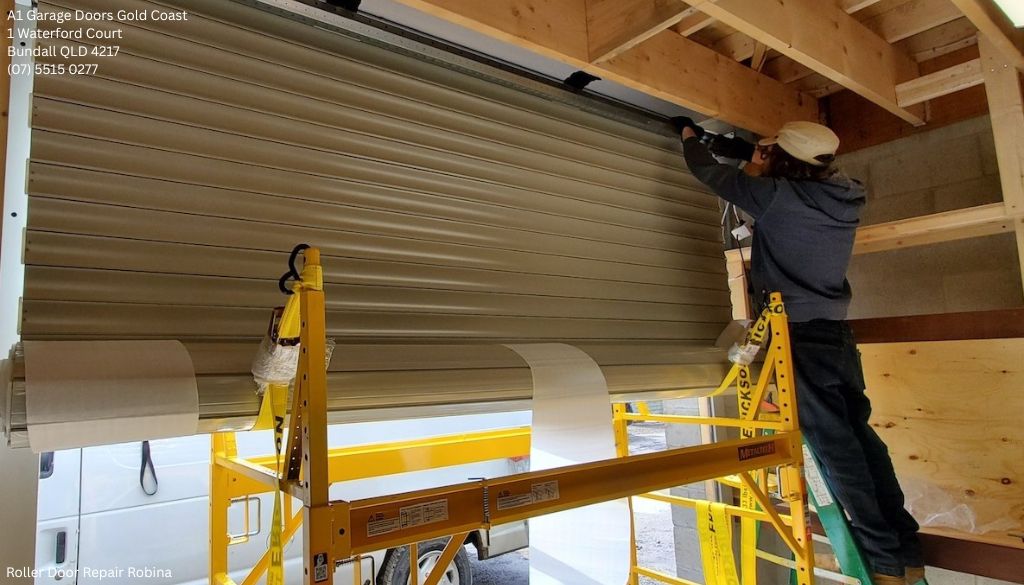
A useful rule of thumb is to treat any type of change in the door's behavior as an upkeep punctual rather than an inconvenience. The minute the opener starts doing more of the job than it should, it deserves examining the entire system.
A functional maintenance attitude typically boils down to five habits:
- watch for adjustments in sound, rate, or balance service the system on the suggested interval keep the opener and door matched to the site conditions treat deterioration or binding as an actual fault, not a nuisance use an experienced specialist for repair work involving springs, cable televisions, or motorised components
Those behaviors are not made complex. They are just easier to follow when the opener is viewed as component of home safety and security as opposed to an ease add-on.
Repair or replace?
This is where judgement matters. A house owner may be managing a door that still works, but only just. The opener moans. The door has a couple of signs of wear. The weather condition seal is tired. The inquiry becomes whether to maintain patching the system or purchase a cleaner solution.
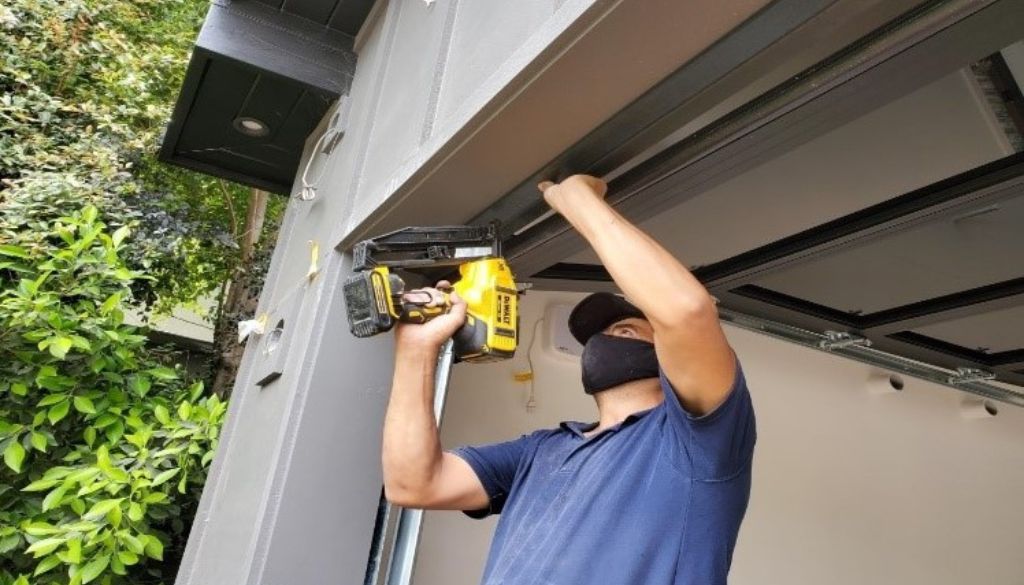
Repair makes sense when the door is basically audio and the issue is isolated. A malfunctioning remote, a used battery, or a disconnected opener can commonly be dealt with without significant job. Replacement becomes extra compelling when wear is widespread, service periods have been neglected, corrosion has actually taken hold, or the existing door no more lines up with the appropriate wind rating or safety and security expectations.
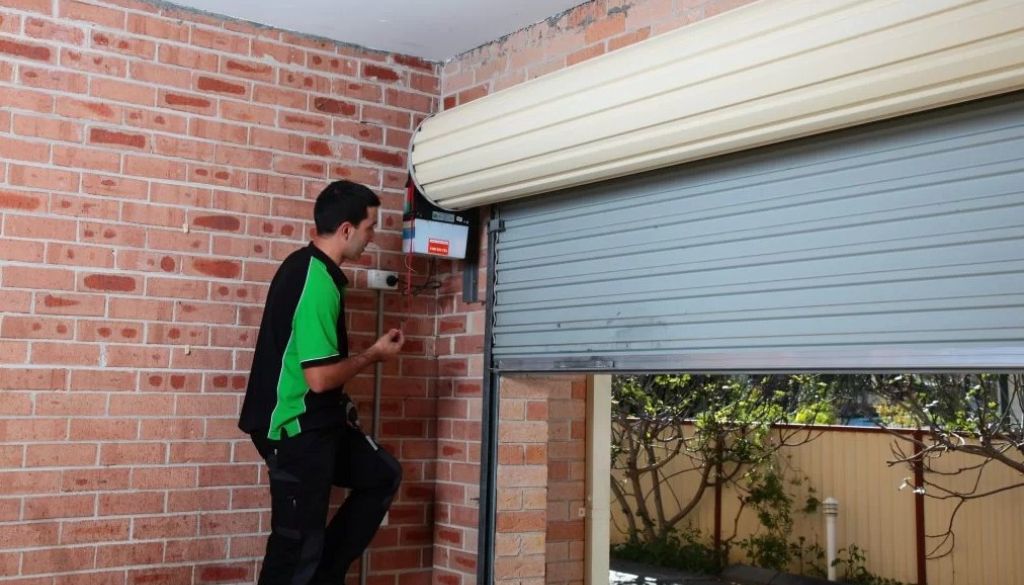
Industrial garage door repairs follow the exact same logic, although the range is various. The bigger the door, the more important it becomes to distinguish between a regional mistake and a systemic one. In both property and industrial settings, the incorrect faster way can keep a door hopping along up until it falls short at the most awful feasible time.
Why more secure access is truly regarding confidence
The best garage door opener is not simply the one with the toughest motor or one of the most functions. It is the one that offers people confidence to use the door properly everyday. Confidence that the door will move efficiently. Confidence that it will shut safely. Confidence that it has actually been serviced. Confidence that it matches the problems of the building, especially where climate, rust, or conformity demands belong to the picture.
That confidence has real worth. It alters exactly how individuals behave around the garage. They stop leaving the door half garage door installation open. They stop compeling a persistent panel. They call for service previously. They make far better substitute choices. And in a location where wind-rated performance can matter just as high as comfort, those decisions shield greater than a driveway.
Garage door openers sustain safer home accessibility due to the fact that they make the best behavior much easier than the high-risk one. They lower pressure, improve control, and job best when they are coupled with doors that meet the appropriate criteria, are serviced in a timely manner, and are picked with the local setting in mind. For homeowners in Queensland, that implies thinking beyond the button on the remote and focusing on the complete system, from conformity and maintenance to the problem of the door itself.