A domestic garage door looks straightforward from the driveway, but anyone that has actually fixed one recognizes much better. It is a hefty moving wall, balanced by springtimes, assisted by steel tracks, lugged by rollers, and frequently tied right into a garage door opener that obtains condemned for problems it did not produce. When one component wanders wrong, the symptoms spread. A dented panel can strain joints. A curved track can chew with rollers. Worn rollers can make a healthy and balanced opener sound like it is on its last legs.
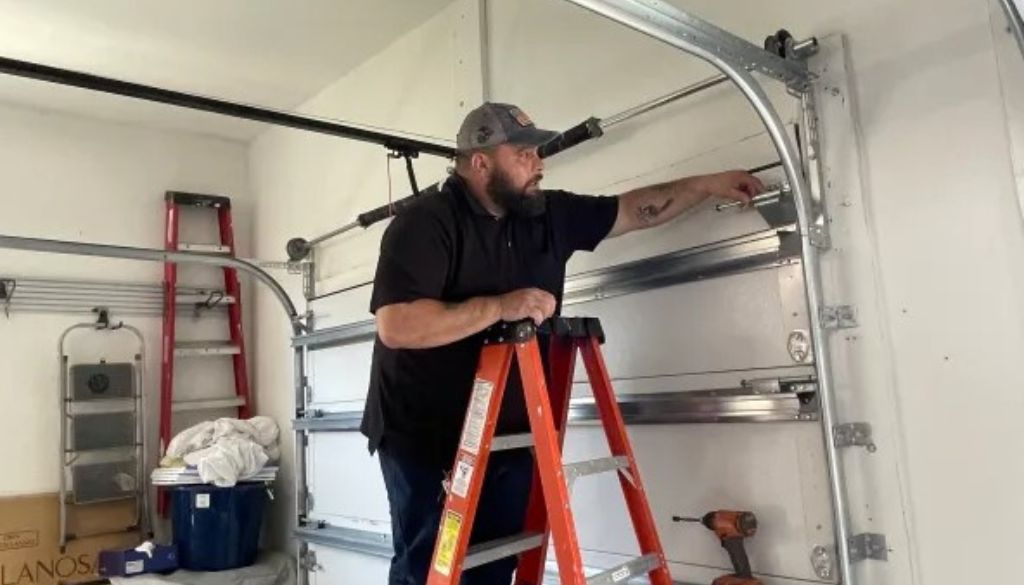
Most homeowners initially observe the noise. The door starts rattling on the means up, trembling on the way down, or hesitating midway as if it is unsure whether to proceed. In some cases the issue is aesthetic and inconvenient. Occasionally it is the initial caution prior to a cord jumps a drum or a roller climbs out of the track. The difference issues, because a garage door that weighs 130 to 250 pounds does not offer much area for guesswork.
In household garage door repair, panels, tracks, and rollers being in a strange happy medium. They are not as feared as springtimes, and they are not as understandable as a remote battery or a misaligned picture eye. Yet these are the elements I see fail usually after years of day-to-day use, weather condition exposure, and occasional call with a bumper, basketball, trash can, or ladder.
What typically goes wrong first
Garage doors age in patterns. Steel doors grab dents in the reduced section. Wood doors take in wetness, swell, and begin dragging or twisting. Aluminum doors can crease surprisingly easily, specifically around panel sides. Tracks obtain nudged out of positioning by influence or loosen progressively as fasteners withdraw over time. Rollers wear from hundreds of cycles, particularly when low-cost builder-grade parts were set up in the initial place.
One of the clearest hints is movement that looks irregular from left to right. If one side increases efficiently while the other babbles or lags, that is usually not an opener issue. It can point to a curved vertical track, a confiscated roller, loose hinges, or cable stress that has actually transformed due to the fact that one more component has stopped working. Property owners usually replace the remote, reset the opener, or start purchasing a new electric motor when the actual mistake is mechanical and noticeable from the floor.
Cold climate often tends to subject weaknesses. Nylon rollers with worn bearings obtain louder. Steel rollers with dry shafts grind. Tracks agreement a little, and any kind of misalignment that appeared harmless in warm weather condition starts binding. A garage door opener then presses more challenging to get over rubbing, which can journey force settings or prematurely wear equipments inside the driver. That is why good garage door repair starts with the door itself, not the opener.
When a damaged panel is more than an aesthetic problem
A panel is not simply a face sheet. On sectional doors, each panel adds to the door's framework. Hinges tie one section to the following, and the entire setting up counts on those panels remaining fairly level and solid. A shallow dent in the lower panel may be mostly aesthetic. A difficult fold throughout the size of the panel, especially near a joint add-on point, is different. That kind of damages adjustments how the door flexes as it travels via the span right into the horizontal tracks.
I have actually seen lower panels squashed just sufficient by a vehicle bumper that the owner maintained utilizing the door for months. The opener still raised it, however the section had actually lost stiffness. Ultimately the panel began bowing throughout travel, the joints tore at the bolts, and the rollers quit tracking easily. The repair work that may have been a solitary panel replacement became numerous joints, rollers, reinforcement shows off, and track adjustment.
Material issues right here. Steel panels can typically endure minor dents without instant architectural trouble, but once a panel is dramatically folded, the steel has lost strength. Timber panels can occasionally be repaired by a knowledgeable woodworker, however rot near the bottom side is notorious for spreading out further than it appears from the outside. Compound and protected sandwich panels existing one more obstacle. Their skins, core, and interior mounting all work together. If the connection points for hinges or leading components start removing, patching is hardly ever a sturdy fix.
The age of the door also affects the decision. Makers modify panel accounts and colors consistently. Matching one harmed area on a ten-year-old door can be challenging or impossible, even if the door itself is still useful. In those instances, house owners have to weigh the cost of panel searching and shade mismatch against a complete garage door installation. If the springs, rollers, and climate seal are also near the end of their life span, substitute often makes better financial sense than bit-by-bit repair.
Repairing versus changing a panel
There is no universal regulation, but there are useful limits. If the damages is separated, the panel is still readily available, and the rest of the system is audio, panel replacement is typically the right telephone call. If the door has several damaged areas, track distortion, corrosion at hardware factors, or poor schedule of matching parts, a complete replacement begins to look smarter.
A good service technician likewise examines equilibrium before pricing estimate panel work. A door that is terribly out of balance might have underlying spring problems. That matters due to the fact that panel substitute modifications weight circulation. On some doors, specifically shielded models with windows, replacing one area with a different construction can discreetly alter the load seen by the torsion system. That does not always require brand-new springs, yet it needs to be examined. Ignoring that step can leave the home owner with a door that looks repaired however runs poorly.
For reduced sections, support is worthy of interest. The bottom panel takes abuse from dampness, influence, and daily handling. If the attachment factors for the bottom braces are endangered, that is not a laid-back repair area. Those brackets are linked to raise wires under high tension. This is the line where property garage door repair stops being a weekend break project and ends up being a safety and security job.
Tracks are supposed to overview, not force
A garage door track does not draw the door open. It provides the rollers a path. That seems evident, however it assists discuss why also a little bend can create such significant signs. If the track pinches internal at one area, the roller needs to fight through it. If the upright track turns too far away from the jamb, the door can put and wobble. If the horizontal track sheds correct pitch or support, the door may clear up erratically when open and stress during closing.
The most common track damage in domestic settings occurs low on the vertical areas. A trash can obtains clipped, a bike handle captures the steel, or an automobile bumper faucets the track while drawing in as well close. Even a half-inch of deformation in the wrong place can make a door bind every cycle. Often people get a hammer and try to align it. Light modification is possible when the bend is small, but hostile pounding usually makes the form even worse, flares the opening, or spins the track out of plane.
Alignment is not almost straightness. The left and right vertical tracks should be plumb and evaluated the proper spacing for the door size. The horizontal tracks ought to be degree with each other or follow the maker's intended slight incline, depending on the style. Flag brackets, jamb braces, angle sustains, and splice points all issue. When a track has actually been "dealt with" without inspecting those connections, the door might run, however it frequently does so with drag that reduces the life of rollers and opener components.
I remember one country dual door that drank so severely overhead that the home owner was certain the opener rail was failing. The real trouble was a horizontal track support on one side that had loosened up and sagged. The rollers were climbing uphill on one side and drifting on the various other. Tightening up and re-hanging the support, after that resetting the track spacing, changed the whole audio of the system in under an hour.
Signs a track issue is ending up being urgent
Some track problems can wait a couple of days for organizing. Others should stop door use instantly. If a roller has partially appeared of the track, if the track is dividing from the wall, or if the door noticeably leans while moving, do not maintain biking it. The following journey could jam the door, throw a cable, or drop a section unexpectedly.
Here are the indication I inform homeowners to take seriously:
- the door binds at the same place every cycle one side shows up higher or reduced during travel rollers rub the track face as opposed to running centered the track has a sharp crease, not just a shallow dent mounting braces hang, split, or drawing from the framing
Those signs and symptoms do not always indicate devastating failing is imminent, yet they do indicate the door is no more running in a healthy path.
Rollers: tiny parts, huge effect
Rollers hardly ever obtain much attention up until they begin squealing. That is a blunder, because they affect sound, smoothness, and put on throughout the system. Affordable rollers with discovered bearings or plain bushings are common on builder-installed doors. They function, yet not for long under daily use. Once they put on, they create dip into the stem, bind in the race, or flatten enough to shake through every joint connection.
There is also a quality gap in substitute components that homeowners do not constantly see. A steel roller might seem durable, but steel on steel can be loud and ruthless if the bearings are inadequate. Nylon rollers, specifically sealed-bearing versions, are quieter and often hold up much better in domestic use. The key is not simply the wheel material. It is the birthing quality, the stem size, and whether the roller matches the joint and track geometry.
A used roller produces a domino effect. It can cock in the track, stress the hinge, and present side tons that the opener need to get rid of. If several rollers are used together, the door creates that familiar roaring, which many people call "the whole thing appears loosened." They are not incorrect. The motion comes to be much less controlled, which urges fasteners to loosen elsewhere.
Replacement periods vary by cycle count. A family members that uses the garage as the main entryway may run the door four to 8 cycles a day, sometimes a lot more. At that price, economic climate rollers can really feel exhausted in 5 to seven years. Better sealed rollers can last much longer, but they are still use products. When I inspect older doors, I typically find one stopped working roller and a number of others close behind. Replacing all rollers at once is generally better than switching them one at a time over six months.
Why rollers, hinges, and opener habits are connected
When a home owner claims, "My garage door opener is struggling," I take notice of the door prior to the electric motor. Openers are made to relocate a balanced, low-friction door. They are not suggested to bulldoze a mechanical problem into entry. If the rollers bind and the tracks drag, the opener compensates till it can not. That may turn up as slow-moving traveling, vibration in the rail, force-setting troubles, or a door that reverses unexpectedly.
Top rollers are entitled to special reference since they affect exactly how the leading area seals and transitions right into the horizontal track. On numerous doors, the leading components are adjustable. If they are established as well tight, the leading section can bind in the radius. If as well loose, the leading panel might not seal appropriately against the header. This is one reason a door can look fine from a range yet still run harsh. The geometry on top section issues more than people think.
Garage door opener setups need to just be changed after the door equipment is functioning appropriately. Cranking up force to overcome poor rollers or a bent track is a typical error. It may obtain the door relocating once more for some time, however it masks the mechanical problem and enhances pressure on the opener. I have actually seen removed drive equipments and bent cart components that were truly negative effects of ignored door maintenance.
What homeowners can safely check before asking for service
There is a useful middle ground between doing nothing and attempting a complete fixing. With the door closed, a home owner can perform an aesthetic assessment and collect info that makes a service call even more efficient.
- look for dents or folds in panels and tracks watch whether rollers sit focused in the track check for loosened screws at track brackets and hinge plates listen for grinding, popping, or repeated clicking throughout travel note whether the opener battles extra in one part of the cycle
Beyond that, caution is wise. Do not loosen up bottom brackets, wire drums, or torsion hardware. Do not eliminate roller stems from components that are linked right into tensioned parts unless you recognize the system and have secured the door correctly. Panels, tracks, and rollers may seem much less unsafe than springs, however they live beside spring-loaded parts that can hurt you quickly.
Where spring problems overlap with panel, track, and roller issues
It is difficult to talk about garage door repair honestly without speaking about springtime equilibrium. A door with weak or broken springtimes behaves differently even if its panels, tracks, and rollers remain in good shape. It might knock shut, really feel uncommonly heavy in hands-on setting, or require the opener to drag it upward with evident pressure. Because state, rollers and tracks commonly take extra punishment, because the door is no more relocating with regulated balance.
Garage door springtime substitute is among one of the most vital repair work in the system, and it must be performed with accuracy. The springtime size need to match the door weight and height, not just approximate it. I have actually walked right into homes where a current spring job "worked" yet left the door drifting open from midsection elevation or crashing shut from shoulder height. Inappropriate springtime selection adjustments just how every various other element behaves. Rollers use quicker, tracks see even more rubbing, and panels experience harsher start-stop forces.
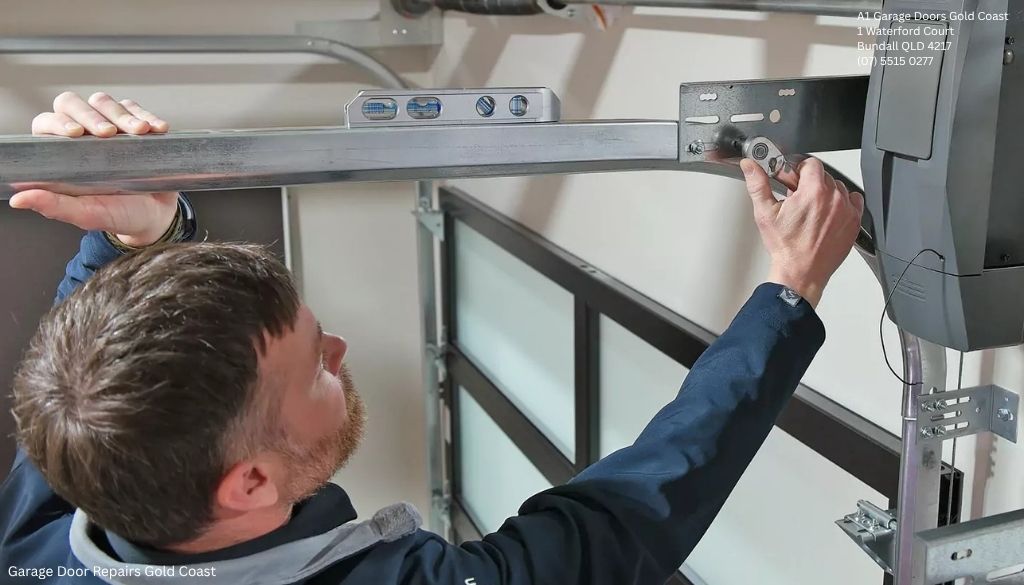
This overlap is one reason good diagnosis matters more than separated part exchanging. If a service technician changes noisy rollers on a door that is also out of balance, the consumer might get a quieter door for a month and afterwards a callback when an additional sign shows up. The repair work should address the system, not simply the loudest part.
When repair service paves the way to replacement
Not every harmed door should have a lengthy repair service quote. Occasionally the most effective specialist guidance is to stop investing same day garage door services Southport in a used system. If the door has several curved areas, outdated equipment, sagging tracks, and an exhausted opener, a contemporary garage door installation can be a lot more cost-effective over the following decade than repeated repair work. New doors commonly run quieter, secure much better, and area less stress and anxiety on the driver because the hardware bundle is matched from the start.
This is particularly real when security and insulation matter. Older doors might lack pinch-resistant section styles, proper support for openers, or efficient bottom and boundary securing. If the garage is affixed to the house, those upgrades are not practically looks. They influence comfort, sound, and daily reliability.
Residential decisions differ from commercial garage door repair, though the concepts overlap. Commercial doors generally see higher cycle matters, heavier-duty hardware, and various track configurations. In homes, the choice is extra individual. Suppress appeal issues. Noise matters since bed rooms might rest above the garage. Budget plan matters since one failing panel can feature the shock of ceased parts. The appropriate response is the one that stabilizes safety and security, life span, and complete price, not simply the least expensive instant fix.
A reasonable service-call mindset
The ideal garage door repair work are not significant. They are methodical. A service technician checks the balance, inspects the panel structure, validates track placement, examines roller wear, and views the door cycle under lots. Occasionally the repair is uncomplicated, like replacing a set of used rollers and tuning the tracks. Often a bent reduced panel discloses hidden hinge damage or stretched mounting holes. In some cases a client requests for a brand-new garage door opener when the opener is doing its task and the real concern is rubbing downstream.
For property owners, the sensible takeaway is simple. If the door gets louder, rougher, or visibly much less stable, do not await a complete failing. Panels, tracks, and rollers are the parts that maintain a heavy door complying with a regulated path. When that path degrades, the stress spreads to springtimes, cords, and the opener. Dealing with the issue very early usually means a smaller costs, a safer repair, and a door that really feels normal again rather than one cycle far from getting stuck halfway open on a wet night.