A garage door opener typically obtains attention just when it falls short. Someday you tap the wall surface switch or the remote, hear a click, and absolutely nothing actions. Or the motor hums, the lights flash, and the door refuses to move. Occasionally the issue is small, like a dead battery in the remote. Other times it points to a used springtime, a misaligned safety and security sensing unit, or a door that has actually come to be as well heavy for the opener to lift safely.
After years of seeing the exact same phone calls can be found in, both for domestic garage door repair and industrial garage door repair, one pattern attracts attention. Many opener failures are not actually opener failings. The motor unit gets blamed due to the fact that it is the noticeable item with the light and the switch, yet the origin commonly sits elsewhere in the system. Tracks, rollers, springs, cable televisions, travel setups, electrical wiring, and also seasonal temperature swings all play a part. If one element wanders out of specification, the opener responds by stopping, turning around, or straining.
That matters because guessing can make the trouble worse. A homeowner replaces a remote when the concern is actually a locked wall surface console. A residential or commercial property manager thinks the electric motor is stressed out when a broken torsion springtime has made the door also heavy. Someone forces the door shut, flexes an area, and transforms a small solution call into a bigger garage door repair.
The great news is that garage door openers are rather foreseeable once you understand exactly how they stop working. A reasonable troubleshooting process can divide secure do-it-yourself checks from repairs that require a qualified technician.
Start with what the opener is telling you
Modern openers do not fall short calmly. They normally provide ideas. The system might hum yet not move. The door might go down six inches and turn around. The above light may blink a code. The wall switch might work while the remote does not. The opener may run, however the door sits tight because the cart has actually been disengaged.
Those signs factor in different directions. When the motor runs and the door does not move, the opener may be separated from the door by the emergency situation release. When the door begins to shut and after that turns around, the safety sensors or take a trip setups are frequently entailed. If nothing happens at all, power supply, circuitry, a locked console, or fell short reasoning board come to be more likely.
One of the most typical errors is replacing parts before reading the symptom precisely. If you press the remote and hear the opener click, the receiver has actually most likely obtained the signal. That indicates the remote battery might not be the problem. If the wall surface button does nothing either, the problem is probably not the remote in any way. Tiny monitorings conserve time and money.
The most basic causes are still worth checking
It sounds evident, however several solution calls start with power. An opener connected into a ceiling outlet can lose power if the plug loosens up with time, if a GFCI outlet upstream journeys, or if a breaker partially journeys. I have actually also seen outlets regulated by an unexpected wall surface switch, particularly in older garages where wiring was changed during a remodel.
Remotes develop another layer of easy-to-miss failure. Batteries damage progressively. Buttons break. An automobile visor remote can lose programs after a battery modification in the car. If the keypad functions however the portable remote does not, you likely have a transmitter concern. If the wall button works however neither the remote neither keypad responds, the receiver or reasoning board may be at fault, though it is wise to rule out lock mode initially. Several wall surface gaming consoles have a vacation or lock feature that disables radio signals while leaving the wired button active.
Then there is the emergency release cable. If somebody pulled it throughout a power interruption and never re-engaged it, the opener will run yet the trolley will certainly not draw the door. From the flooring, it looks like a dead opener. Actually, the equipment is doing its task and the drive system is just disconnected.
Safety sensors cause even more difficulty than many people expect
If your garage door opens generally but will certainly not close, or closes partway and turns around, look at the photo-eye sensors near all-time low of the tracks. These small gadgets have actually avoided plenty of injuries and damaged bumpers, however they are also sensitive to imbalance, dirt, vibration, and wiring faults.
On lots of systems, one sensor shows a stable light and the other adjustments standing when the beam is aligned. A strong indicator normally means the sensing unit sees what it should. A flickering or dark light often means problem. The cause might be a bumped bracket, cobwebs on the lens, a loosened low-voltage wire staple, or straight sunshine washing out the beam of light at a certain hour of the day.
I bear in mind a service phone call where the customer firmly insisted the opener just scheduled garage door maintenance failed in late afternoon. That sounded unusual till we enjoyed the sun hit the getting sensing unit with a narrow side window. The beam of light was technically straightened, but the receiver shed it in the glow. A small guard and mild brace change fixed what had actually been treated as an intermittent opener failure for weeks.
When sensors are the concern, the opener is usually securing you, not malfunctioning. That difference matters.
When the door itself is the genuine problem
An opener is not meant to muscle mass through a bad door. It is developed to lead a properly well balanced door. If the springtimes are doing their job, a basic domestic door should feel workable by hand when detached from the opener. It needs to not fly up or knock down. It must stay near mid-travel with only small drift. When it does not, the opener stress, overheats, or stops as a safety and security response.
This is where lots of people misdiagnose the system. They listen to the electric motor groan and presume the garage door opener has actually come to be weak. As a matter of fact, openers do not slowly shed horsepower the means individuals think of. What normally transforms is the resistance of the door. Rollers wear, joints bind, tracks shift, and springtime tension changes in time. The electric motor is now drawing a lots it was never ever indicated to carry.
A broken torsion springtime is the clearest example. If one spring snaps, the door can instantly end up being exceptionally hefty, sometimes adding well over a hundred extra pounds of efficient lifting lots depending on the door size. The opener may relocate the door a couple of inches and give up, or it might not move it in any way. This is not an instance for stronger pressure setups. It is a case for Garage door spring substitute, performed with proper devices and training. Springs are under extreme tension, and this is one repair work where experience matters greater than confidence.
Commercial doors increase the risks further. In commercial garage door repair, the drape weight, cycle matter, and spring assembly can make opener signs and symptoms look electric when the genuine issue is mechanical exhaustion. A storage facility operator might report that the opener is reluctant or delays. A closer inspection exposes a binding track, frayed cables, or a door out of balance after high-cycle usage. On heavier systems, compeling operation can create pricey collateral damage quickly.
A useful repairing sequence
Before presuming the opener requires replacement, work through the essentials in a calm order:
Confirm power to the opener, then check the wall button, remote, and keypad separately. Check whether the wall surface console is in lock setting and whether the trolley is still engaged. Inspect the safety sensing units for positioning, clean lenses, and safe wiring. Disconnect the opener and test the door by hand for equilibrium, binding, or unusual weight. Listen for grinding, humming, or duplicated reversing that suggests gear wear or traveling setup issues.This sequence is easy, however it captures an unexpected number of situations. It likewise helps you explain the trouble plainly if you end up calling for service. A technician can do far more with, "The wall button functions, the remote does not, and the sensing unit light flickers when the door is midway down," than with, "It simply quit."
Travel limitations and force setups are typically misunderstood
Most openers utilize travel limits to identify how much the door should open up and close, and force setups to spot resistance. If the close restriction is set too much, the door may strike the floor and turn around due to the fact that the opener senses excess resistance. If the open limit is off, the door might not completely clear the opening or might bang into the stop screws. If pressure is established too low, the opener may stop during typical motion. If established too expensive, the opener can end up being harmful and mask an actual mechanical problem.
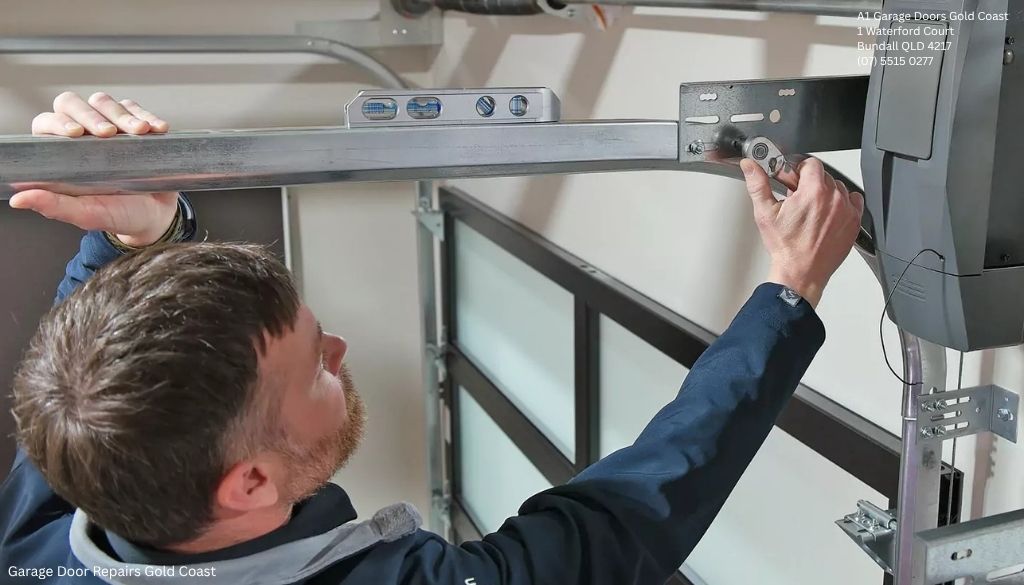
Homeowners in some cases transform force modifications strongly after enjoying a video, particularly when the door has actually begun embeding cold weather. That can produce a hazardous arrangement. If the rollers are stiff or the lower seal is adhered the piece, boosting force might get the door proposing a day or two. It does not resolve the hidden issue. It merely teaches the opener to push harder against resistance it should be respecting.
Travel and pressure adjustments do have their area. After garage door setup, after replacing weather condition seal, after track corrections, or after opener replacement, fine tuning might be necessary. The factor is judgment. Change settings just when the door itself remains in good shape and relocates properly by hand.
Worn gears, removed drives, and aging logic boards
Sometimes the opener actually is the perpetrator. Older chain drive and belt drive devices can endure equipment wear, particularly if they have invested years raising an out of balance door. A classic signs and symptom is an electric motor that runs while the chain or belt waits, jerks, or fails to move the cart effectively. Inside some systems, a plastic drive equipment uses down and drops shavings. When specialists open up the housing and find great white debris, that is usually the story.
Logic boards fail also, though less significantly. A surge, wetness intrusion, age, or repeated vibration can harm the board. Signs vary. Remotes stop programming. The light flashes unevenly. The wall surface button functions inconsistently. The opener acts usually for a week and after that goes dead for no noticeable factor. Since these signs and symptoms overlap with circuitry mistakes and accessory failings, diagnosis must be methodical.
There is also the issue of age. If an opener is fifteen to twenty years old and substitute components are restricted, repair service might not be the most effective financial investment. A new device can bring quieter operation, battery back-up, stronger LED illumination, smart device control, and boosted security features. That is especially pertinent after a new garage door installment, where coupling an old undersized opener with a smooth new door commonly makes little sense.
Cold weather, moisture, and seasonal movement
Garage systems are more seasonal than lots of people recognize. In wintertime, grease thickens, metal contracts, and rubber seals can adhere to the flooring. Wood doors soak up moisture and swell. In summer season, growth can tighten clearances, particularly on older framing that has shifted gradually. These modifications can be subtle enough that the door functions most days and falls short only under particular conditions.
A constant winter months grievance goes like this: the opener starts, the door increases 2 inches, and then stops. If the bottom seal has frozen to the slab, the opener is appropriately checking out an abrupt resistance spike. Drawing harder on the force setting is the wrong feedback. Cleaning ice, cleaning up the threshold, and utilizing an appropriate silicone-based lube on joints and rollers is the much better action. Hefty oil in the incorrect areas usually attracts grit and produces its very own drag, so product selection matters.
Humidity brings another pattern. Steel doors are stable, however track wall mounts, framing, and fasteners can shift sufficient to impact placement in older garages. On timber doors, panel activity can increase rubbing at the quits. The opener comes to be the messenger for an architectural concern that established slowly over seasons.
When a remote trouble is really a signal problem
Not every remote failure has to do with the remote itself. Disturbance can minimize range or block interaction completely. LED light bulbs in or near the opener have actually caused much more frustrations than individuals anticipate. Some low-grade LEDs create superhigh frequency sound that hinders the opener receiver. The client reports that the remote only works from a couple of feet away, or only functions when the opener light is off. Exchange the bulbs, and array returns.
Nearby electronic devices, new safety and security systems, and also a neighbor's equipment can create signal issues, though these are much less common. In commercial setups, metal buildings and big equipment add complexity. A receiver antenna tucked up right into the housing rather than suspending effectively can also reduce array significantly. That is an easy fix that gets missed out on often.
If your wall surface switch functions accurately and the sensors are great, however your remote array has actually gone down greatly, think about disturbance before replacing the entire opener.
What you can securely do on your own, and what you need to leave alone
Some garage door issues are completely practical for a cautious house owner to address. Others lug enough risk that an expert should handle them, particularly where springtime stress, cord transmitting, or structural positioning are involved.
Here is a practical splitting line:
Safe house owner checks include changing remote batteries, cleansing sensing unit lenses, checking for lock mode, and confirming the opener has power. Moderate do it yourself jobs might consist of reprogramming a remote, transforming a light bulb that is opener-compatible, or lubricating joints and rollers with the proper product. Technician region starts with spring work, cord repairs, curved track modification, opener gear replacement, and any diagnosis including subjected inner electrical components. Emergency service is smart when the door is stuck open, hangs jagged, goes down greatly, or makes sharp breaking noises. Immediate quit problems consist of visible broken springs, torn cables, and a door that will certainly not stay in location when disconnected.That line exists for a factor. I have seen individuals save fifty dollars on a service call and produce a five-hundred-dollar repair service forcibly the door, securing the wrong component, or changing spring equipment without comprehending the load involved.
Signs that substitute makes more feeling than repair
There is no universal age at which every opener should be replaced, however there are clear circumstances where repair loses value. Repeated reasoning board problems, obsolete safety and security parts, relentless drive wear, and inadequate parts accessibility are all warnings. An additional indicator is mismatch. A modern-day protected dual door paired with an aging light-duty opener often functions, yet not well. The unit may be noisy, slow-moving, and prone to hassle reversals.
Cost issues also. If a major repair strategies half the expense of a high quality replacement, many proprietors select the brand-new unit, especially if they intend to remain in the home. For property owners and facility supervisors, downtime matters as high as straight cost. In a hectic industrial setup, one unreliable opener can interrupt distributions, reveal stock, or develop safety issues. In those cases, replacement is typically the practical option, not the luxurious one.
On the property side, substitute additionally comes to be attractive after a significant door upgrade. If you buy garage door installment for aesthetic charm, insulation, or storm resistance, the opener must match the efficiency of the brand-new system. Quiet belt drives, DC motors, soft start, and battery backup are not simply great bonus. They transform how the system really feels every day.
How specialists identify the problem faster
A trained garage door technician usually starts with the very same broad inquiries a home owner need to ask, yet moves promptly right into load, balance, travel, and put on pattern assessment. The opener is evaluated under regulated conditions. The door is detached and evaluated by feeling. Springtime problem is examined visually and mechanically. Track geometry, pivot play, roller wear, and cable television problem obtain assessed as a system.
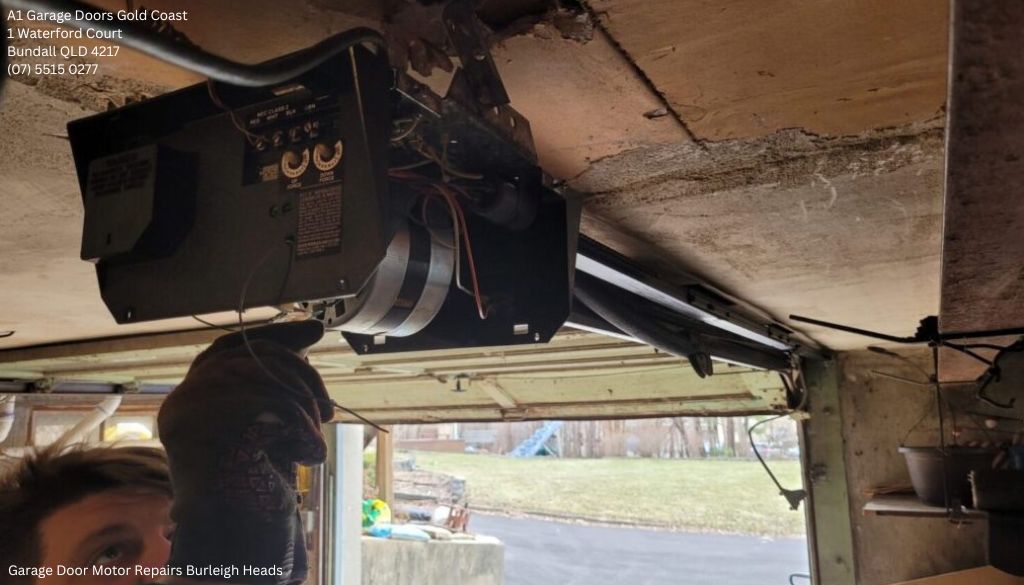
That system sight is what separates solid garage door repair from guesswork. If the opener has actually fallen short because the door was out of equilibrium for a year, mounting a brand-new electric motor alone might offer you a brief solution. If the genuine concern is sensing unit circuitry nicked by vibration near the rail, replacing the logic board will throw away cash. Good specialists search for cause, not just symptom.
For industrial garage door repair, that system technique is a lot more crucial. Cycle matters, responsibility ranking, driver type, and door size all affect what counts as typical wear. A rolling steel door at a filling bay might require a completely various diagnosis course than a sectional door in a suburban home, also if both "won't shut."
Preventing the following failure
Most opener malfunctions do not appear of nowhere. They build slowly. The door obtains a little louder. The remote variety reduces. The opener begins waiting on chilly mornings. The close cycle turns around once in a while. Those are opportunities to step in early.
A basic annual assessment goes a long method. Enjoy the door relocation. Listen for adjustments. Examine that bolts are snug, sensors are straightened, and rollers relocate easily. Examination door balance with the opener separated, but only if there is no indication of springtime or cord damages. Oil moving metal parts appropriately. Keep the tracks clear, though not greasy. If anything looks bent, broken, frayed, or abnormally stressful, stop there and call for service.
The opener's job is uncomplicated. It ought to lift a balanced door smoothly, react regularly to its controls, and turn around when safety devices tell it to. When it quits doing that, the failing is generally deducible, and usually reparable, once you look at the whole system rather than the motor alone.
A garage door opener that retires is irritating, but it is rarely mysterious. Start with the apparent. Read the signs very carefully. Respect the components under tension. And if the problem points beyond batteries, sensors, or setups, bring in a professional who comprehends both the opener and the door it serves. That is exactly how you obtain a repair work that lasts, whether you need a little residential garage door repair, a complete garage door installment, or an extra demanding industrial garage door repair on a high-use system.